by
by  Do you have social media plan?
Are you looking for an easy to follow guide to formulate a plan for your business?
Keep reading for seven tips to help your business develop a social plan…
Why Businesses Fail With Social Media
Businesses often fail in their social media efforts for the same reason New Year's resolutions fail: It's a good idea, but there's no structure or commitment.
Then, when there are no immediate results, or the goal ends up being more difficult to attain than previously thought, it goes by the wayside.
Has this happened to your business's social media presence? You aren't alone. Very few people can simply choose to be active in social media and stick with it.
For the rest of us, we need something to keep us honest. That's why I advocate you create a social media plan—a checklist, if you will—complete with daily maintenance, recurring tasks and milestone projects.
These seven tips will help you design a social media plan that will keep you on track, active and moving forward.
#1: Make a Commitment
Before you even start creating your plan, you have to make a promise. Establishing a healthy social media presence can be a very slow process. You can't expect your list of fans, followers or subscribers to grow overnight.
You don't want to start your business's presence out by posting and updating consistently, only to get bored, lose interest and forget to log in when there's no immediate gratification.
To prevent that kind of slide, make a commitment. Even if it's just to yourself—even if you have to frame it and hang it above your computer.
No matter how silly an exercise it may seem, acknowledging and agreeing with yourself that building this presence could take upwards of a year (and then some), and then promising to invest time, energy and resources into it no matter what, will keep you committed and prepare you to be active and engaged even when you feel like your presence is stagnating.
#2: Find Your Best Fit
If you're just getting your business's social media efforts up and running, part of creating your plan revolves around seeing if you already have a fanbase out there.
Go Deeper Than an Article Can Take You
Join thousands of small-business marketers at Social Media Marketing World — three days of AI, social media, and marketing strategy taught by world-class experts. April 1–3, 2027 in Anaheim.
Every session is pitch-free and built around tactics you can use yourself, no big team required. Your All-Access ticket includes an extra day of workshops, full access to AI Business World, and recordings of everything.
GET MY ALL-ACCESS TICKET — SAVE $790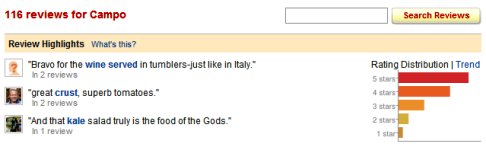
So do some searching. Are there lots of people posting videos to YouTube of themselves using your product? Does your company have a bunch of mentions on Twitter? Do you have reviews on Yelp?
Although it's important to establish a presence on a giant like Facebook, make sure you also set up shop where you're already visible.
#3: Schedule Engagement
Now that you've identified the social media platforms you're going to focus on, it's time to turn your attention to the ways and frequency with which you'll engage with your users.
Infrequent interaction is one of the main reasons businesses experience social media failure.
Those who are most successful in social media know that you have to engage steadily.
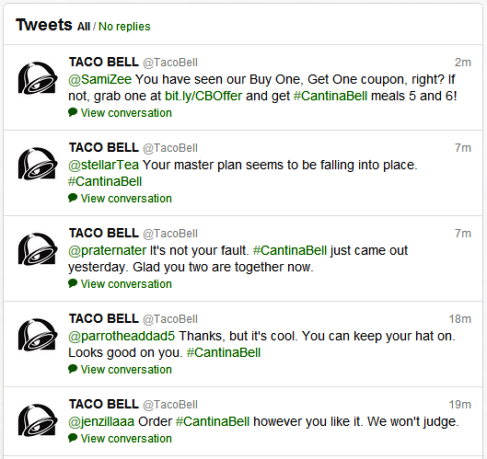
Think of creating and responding to comments, tweets, posts, etc., as simple daily maintenance. It must be done. You need to start the conversation with your users, and anytime they reach out to you, you need to be prepared to respond.
Remember that the timetable for creating and responding to content is platform-specific. Twitter moves so fast that tweets can become irrelevant within the hour, whereas Facebook status updates and posts have a few hours of staying power, and videos are great because of their longevity.

Tired of Guessing Which AI Moves Matter?
New AI tools and strategies launch every week — and figuring out which ones matter takes hours you don't have.The AI Business Society filters the noise for you, with expert-led training you can put to work the same day — plus a community of marketers sharing what's actually working.
I'M READY FOR REAL AI RESULTS#4: Create Expert Content
Your fans and followers don't want commercials, they want conversation. They don't want to hear how great your company is, they already like or follow you. They don't want sales numbers, they want industry news and thought leadership.
A good rule of thumb is to talk about your customers and your industry 80% to 90% of the time, and then discuss your own business. That means you need to start a blog, write white papers, explore trends, release case studies and create infographics.
Post frequently and do it consistently. Your ideal goal should be some kind of content every couple of days or so. Avoid going longer than a week without posting.
Thorough, in-depth articles and papers will position your business as an industry expert and thought leader, and keep your fans and followers (and even competitors) looking to you.
#5: Run Contests and Promotions
Contests and promotions keep fans and followers excited, interested and coming back. Most importantly, they're a covert way to get your business or brand in front of more people. That doesn't mean you need to run one all the time.
If you've always got some kind of giveaway going, they'll soon become more social background noise. This is especially true if you're giving away not-so-great prizes.
Run a contest or promotion every couple of months, and make sure the prize is something to get excited about.

#6: Broaden Your Horizons
Every social media plan needs to start out the same way, with a commitment to the long haul and a focus on the basics like interaction and content. But once your presence is established and your users are engaged, you're free to open things up to experimentation.
If you've built a solid fan following on Facebook, create and install some custom apps on your page, start posting videos on YouTube or interact more frequently by hopping on Twitter. Try things out for a few months, and then go back and see how they've performed for you.
Not every platform will be a fit, so if your business isn't performing well on one for an extended period of time, don't be afraid to pull the plug and explore different options.

#7: Delegate Tasks
If you're at the point where you're looking at expanding to new platforms, congratulations! You've likely got a healthy presence. But don't let all of this growth overwhelm you. The larger you grow, the more in danger you are of failing to engage (point #3), because—let's face it—social media is a lot of work.
So look into adding some more team members. Graphic artists for your infographics, writers for your blogs and white papers and even some interns to manage the day-to-day social media conversations and information-gathering. A talented team can give you a richer, more robust presence than you could ever achieve on your own.
What do you think? What's your business's story? Do you already have a social media plan? How's it working out? Or are you about to implement one? Leave your questions and comments in the box below.

Where Do You Actually Stand With AI?
Most marketers use AI, but they don't know what's holding them back from real results.
Our 3-minute quiz pinpoints the one gap keeping you stuck — and gives you the exact next step to fix it.
GET MY RESULTS