by
by  In the competitive world of search engine optimization (SEO), your business blog is a critical tool for your success.
Why is blogging so important to your search engine visibility? Because search engines serve up web pages—not websites—when people ask a question. And here's the important part:
Every blog post is a new web page and every web page is another opportunity to rank well for another search term.

In other words, every time you blog on a subject you want to rank well for, you create another opportunity for your best prospects to find you.
What You Need to Get Started
There are three things required for you to succeed in your business blogging:
- Use the right blogging platform. While I don't believe that you can't succeed using platforms such as Joomla, Drupal or TypePad, my recommendation for blogging is WordPress. It's powerful, easy to learn and has plenty of SEO plugins that increase your chances of topping the search engine results.
- Own your domain. Don't run a business blog from an address like mycompany.typepad.com or mycompany.wordpress.com. When you do that, you're just building up trust and inbound links to someone else's property. You want to blog from your own property, such as mycompany.com/blog or mycompanyblog.com. This is also critical in case you ever decide to move to another blogging platform as it allows you to retain all the inbound links you've gathered over the years.
- Be committed. Blogging success doesn't happen overnight; it's not like pay-per-click (PPC) advertising where you can immediately appear on the first page of Google. However, it also lasts a lot longer. PPC ends the day you stop paying, while my company has blog posts written years ago that still deliver hundreds of new leads each month. That's great ROI!
What Affects Your Search Engine Ranking?
All search engines have a unique algorithm for determining how relevant your blog post is to a given query. To oversimplify this process, it comes down to two main factors:
- On-page optimization: how the words in your post match up with the search that was just done, and
- Off-page optimization: how many quality inbound links you have (links from other websites, blogs, directories, etc. to your blog post)
How to Improve Your On-Page Optimization
If you want to create content that's relevant to your business, answers your prospects' questions and helps you rank higher, there's a simple three-step process to help you get there:
1. Brainstorm your keyword phrases. Whether you do this by yourself, include co-workers or survey your current clients, you should start by brainstorming as many keyword phrases—the words you want to rank well for or you believe your prospects are searching for—as you can.
2. Test your beliefs. Too often we think we know what our prospects are searching for, but we're off the mark. If you're blogging about divorce lawyers and everyone out there is searching for how to save my marriage, you're not helping anyone.
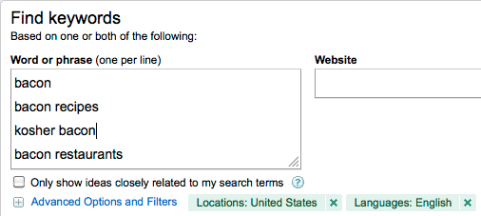
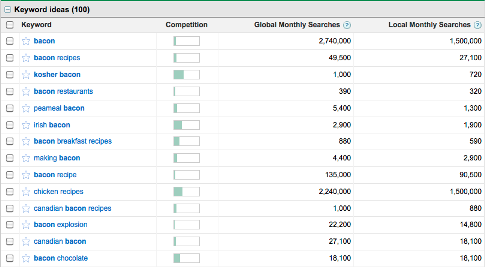
You'll want to use keyword analysis tools like Raven Tools, Keyword Discovery or Google Adwords Keyword Tool to help you determine what people are searching.
All of these tools work in a similar fashion: they determine how many people are searching for your phrases, and how much competition you have for each phrase. You want to first target the phrases that have good search volume, but maybe don't have as much competition.
3. Start blogging! Running sneakers gathering dust in your closet don't make you fit, and keywords you're not using won't get you good rankings. Start creating new blog posts of 300–700 words 2–3 times a week.
Blogging for Search Engine Success
While knowing what keywords to target is half the battle, here are a few tips to maximize your results:

Tired of Guessing Which AI Moves Matter?
New AI tools and strategies launch every week — and figuring out which ones matter takes hours you don't have.The AI Business Society filters the noise for you, with expert-led training you can put to work the same day — plus a community of marketers sharing what's actually working.
I'M READY FOR REAL AI RESULTS- Start your post title with your best keywords. Page titles are the most important variable in how well you'll rank. Search engines give more weight to the first three or four words in your title, so you'll get better results from titling your post Super Bowl Commercial Reviews: The Best and Worst Ads, as opposed to What I Thought of Last Night's Super Bowl Ads.
- Use your keyword phrase through the body of the post. Try to use your phrase in the first sentence or two, and then a couple of more times in the post. Put it in your meta-description, the meta-tags, the image alt-tags, the post tags and anywhere else that seems appropriate.
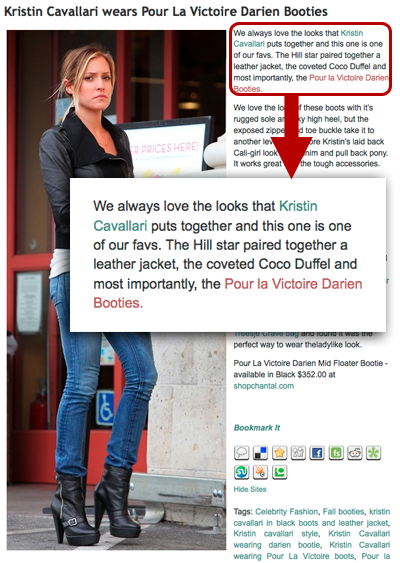
- Link to appropriate pages on your website. If you're blogging about the boots some B-list celebrity wore on some reality show last night, make sure you link the boot name to the page on your website where they can buy those boots. If you're blogging about how to retain employees, make sure you link “employee recognition” to your page on employee reward programs. This will help increase the search visibility of your web pages; just make sure you link your keywords, not “click here” or “learn more.”
SEO Tools and Plugins
Here are a few tools to help you create posts that will rank well and attract qualified clients to your blog:
Go Deeper Than an Article Can Take You

Join thousands of small-business marketers at Social Media Marketing World — three days of AI, social media, and marketing strategy taught by world-class experts. April 1–3, 2027 in Anaheim.
Every session is pitch-free and built around tactics you can use yourself, no big team required. Your All-Access ticket includes an extra day of workshops, full access to AI Business World, and recordings of everything.
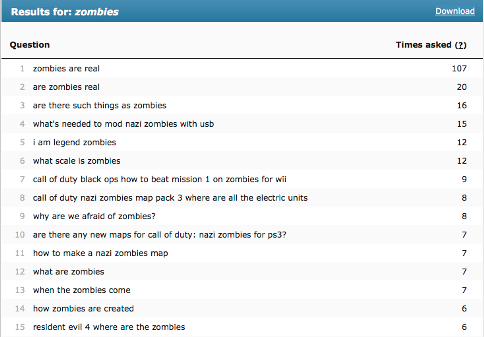
GET MY ALL-ACCESS TICKET — SAVE $790Keyword Questions: Struggling with blogger's block? This tool from WordTracker returns popular search engine queries based on your keywords.
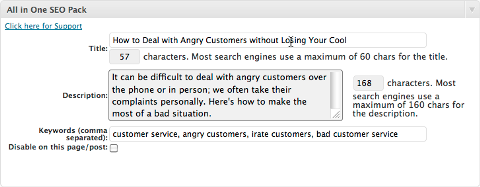
All In One SEO Pack: One of many plugins that improve your blog's optimization, this is the one I use on my own web marketing blog. This plugin allows you to easily add unique meta-descriptions, meta-tags and titles to each post, improve the page title format and reduce the chances that the search engines will get confused by duplicate content on your blog.
Scribe SEO: Scribe is a plugin for WordPress that requires a monthly fee. Once installed, you can run keyword analysis on each post from directly within the admin. Scribe will also score your blog post before you post it, and suggest improvements.
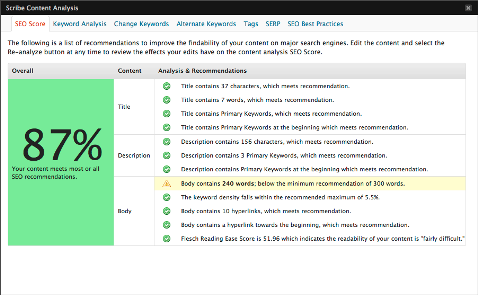
It will also suggest other blog posts and social media resources that may be sources of inbound links to your post.
Off-Page Optimization
As mentioned earlier, the other half of the search engine equation is inbound links: links from other web pages to your blog posts.
Search engines see inbound links as “votes of confidence.” The more quality incoming links, the more confidence that the search engines have that you're providing a valuable resource to their searchers.
Not all inbound links are created equal, however. There are a number of variables that affect how important each link is.
- The linking site: sites deemed trustworthy will provide more value than new or untrustworthy sites.
- The number of links on the referring page: each page has a limited amount of “link juice” to pass on. If you cut a pie into four pieces, everyone gets a good-sized piece of pie. If you cut that pie into four hundred pieces, everyone goes home hungry.
- The context of the linking page: If you're blogging about burritos, a link from a taco blog will give you a bigger boost than one from a bicycle blog, all other things being equal.
- The anchor text: the words in the link are critical.
Admittedly, you often won't have any control over these variables, but Google and Bing take them into consideration. Which begs the question…
How Do You Get More Incoming Links?
Ah, I thought you'd never ask. The obvious—and aggravating—answer is create quality content that's valuable to your audience. If people find your content valuable, they'll share it and link to it.
That being said, here are some techniques for getting more inbound links:
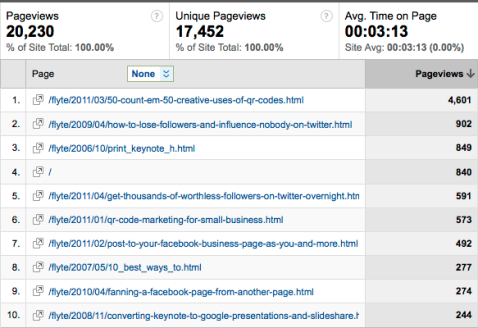
- Numbered lists: People love numbered lists. We don't have time to master any new skills here, but you can boil it down to 6 Tips for Starting an Online Community, 21 Ways Non-Profits Can Leverage Social Media, or 50 Creative Uses of QR Codes in Marketing & Communications.
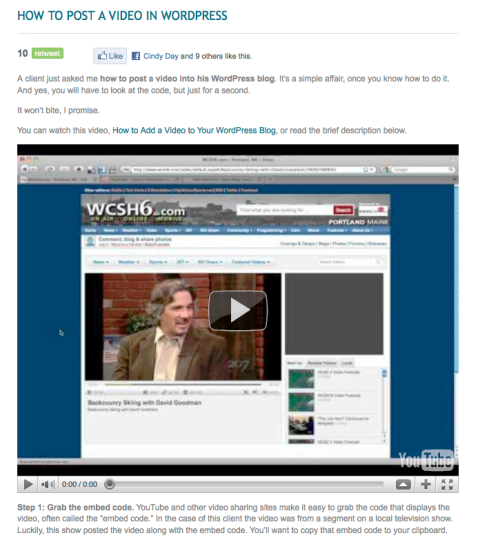
- How–to articles: Most of us use the search engines because we don't know how to accomplish some goal or task. Get even more links by embedding a video in your how-to post.
- Guest blog: Blog at a related blog—bonus points if it's more well-read and influential than your own! From your guest post you can create keyword-rich links to your blog or website. If you're not sure where to start your guest blogging, check out My Blog Guest, a marketplace for guest blogging.
In conclusion:
- Perform a keyword analysis to know which keywords will drive qualified traffic to your site.
- Put your keywords in your titles, content and throughout your post.
- Create content that will encourage people to link to your blog.
This post just skimmed the surface of what you can do to improve your search engine visibility and drive more qualified traffic to your blog. What techniques and successes have you had with your blog and search engines? Please share your stories in the comments box below!

Where Do You Actually Stand With AI?
Most marketers use AI, but they don't know what's holding them back from real results.
Our 3-minute quiz pinpoints the one gap keeping you stuck — and gives you the exact next step to fix it.
GET MY RESULTS