by
by Do you feel like your marketing efforts are failing to authentically connect with your customers? Are you tired of handing your brand over to agencies that don't truly understand your voice or your business?
In this article, you'll discover how to position yourself as a video influencer to grow your business and build genuine trust with your audience.
The Service-First Video Marketing Strategy
A lot of businesses make the mistake of treating YouTube like a digital attic—a place to simply store videos they embed elsewhere. But you need to look at it differently: YouTube is the second-largest search engine in the world, and it’s owned by Google.
If you are already investing in Google search, you should be investing in YouTube. The strategy isn't to just broadcast information; it's to answer the specific questions your potential customers are already asking.
This requires shifting your mindset from chasing viral hits to creating evergreen content. Viral videos are exciting, but they are fleeting. Evergreen content, like a tutorial on “How to fix a running toilet,” solves a problem today, next month, and next year. It works for you 24/7, constantly introducing new people to your brand.
Here is a secret benefit of video that most people miss: video can skyrocket your website’s performance.
By consistently creating helpful videos, Roger Wakefield—a plumber with a small local business—was able to outrank competitors with $80 million to $90 million in revenue on Google.
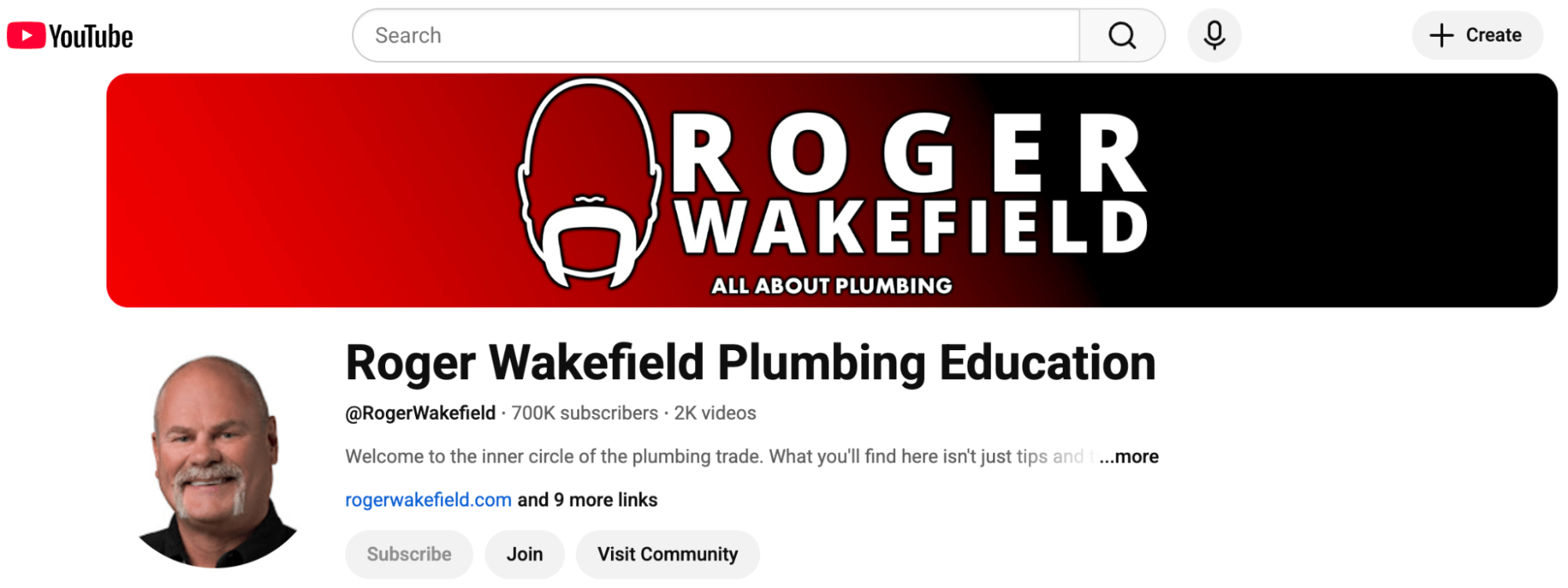
How? His videos included calls to action that drove viewers to search for his brand and visit his website. This surge in traffic increased his Domain Authority, allowing his small business to dominate search results against massive competitors.
#1: Develop Content Buckets That Serve Your Audience
Staring at a blank content calendar is daunting. To make it easier, categorize your videos into specific buckets. This ensures you always have a variety of content that serves different purposes.
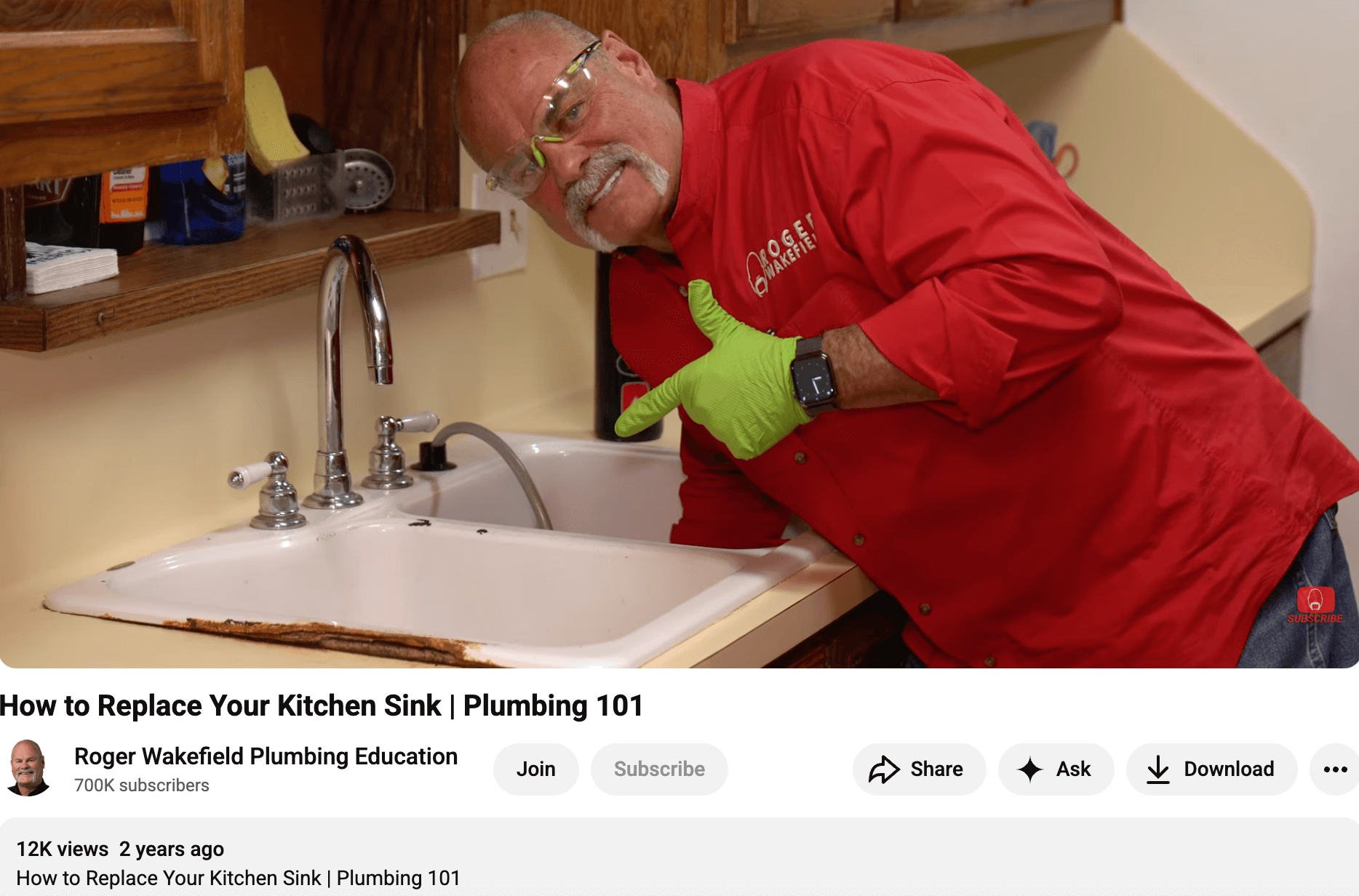
How-To Videos: These are your bread and butter. They solve specific problems. If someone is searching for a solution, they don't want a long-winded story; they want help. Be direct, be clear, and solve their problem step-by-step.
Reviews and Comparisons: These videos guide purchasing decisions and build immense trust. You can review products by comparing “cheapest versus most expensive” or “good versus bad”. For instance, buying the cheapest tool on a marketplace and testing it against a professional version shows you are looking out for your audience's wallet.
Reaction Videos: This is a fun way to demonstrate authority. You can watch a video of someone else attempting a task in your industry and provide commentary. If they make a mistake—like installing a toilet backwards—explain why it’s wrong. If they do a great job, give them credit. It’s education wrapped in entertainment.
Business Tips: Even if you are in a technical trade, sharing business advice broadens your appeal. The principles of running a good business are universal. You might find that a chiropractor or a baker watches your plumbing channel simply because your business tips help them run their own company better.
#2: Plan a Quarterly Content Calendar
Consistency is the hardest part of video marketing. If you don't have a system, you will burn out.
Ready to Supercharge Your Marketing Strategy?

Get expert training and an unbeatable conference experience when you attend Social Media Marketing World—from your friends at Social Media Examiner.
Broaden your reach, skyrocket your engagement, and grow your sales. Become the marketing hero your company or clients need!
🔥 Save $600 on an All-Access ticket. Sale Ends Friday! 🔥
GET THE DETAILSInstead of trying to come up with ideas every single week, plan in quarters using a 13-week formula consisting of 26 videos (two per week).
At the end of the cycle, look at the data. Analyze what tanked and what worked, then plug new topics into those successful formats for the next 13 weeks. This takes the guesswork out of production.
Pro Tip: Use AI for ideation, not heart. Artificial Intelligence (AI) tools like ChatGPT are incredible assistants. Ask AI to analyze a popular video and tell you what points were missed so you can fill the gap.
#3: Script and Structure Your Video Content
Use stories to make your content relatable, specifically stories about your own mistakes. Sharing a time you broke something or made a bad call humanizes you and shows you are someone who has learned through experience.
You might think you need a perfect script to sound professional. Actually, over-scripting often makes you sound robotic. Aim to be a “one-hit wonder”—recording your videos in a single take without stopping.
Instead of a full script, use a simple list of three or four bullet points to keep you on track. For example:
- Mounting the tank.
- Mounting the bowl.
- Mounting the seat.
- Hooking up the water.
This ensures you cover the necessary steps but allows your delivery to come from the heart. The only exception is sponsored content; if a brand requires specific legal wording, use a teleprompter to ensure compliance with the necessary language.
AI Is No Longer Optional for Marketers—Ready to Master It?
Join over a thousand forward-thinking marketers at AI Business World—a conference-in-a-conference at Social Media Marketing World.
Get two days of practical AI training where you'll discover:
✅ Systems that 3x your output—leaving time for strategy and creativity
✅ Proven strategies you can deploy right away—no guesswork, no wasted budget
Become the indispensable AI expert your company needs.
GET YOUR TICKETS—SAVE $300Pro Tip: Aim for videos that are at least 8 minutes long. This is the sweet spot that allows for mid-roll ad placement, which is essential for revenue. But remember the golden rule: the video should be as long as it needs to be to make your point, and no longer.
#4: Master On-Camera Performance
You can be the smartest person in the room, but if you look uncomfortable on camera, people won't watch. Here are three simple tricks to help you connect.
Look at the Lens: Always look dead center into the camera lens. It feels unnatural at first, but to the viewer, it looks like you are making direct eye contact. If you look at the viewfinder or your notes, you break that connection. If staring at a lens feels awkward, tape a small toy to the top of your camera. Talk to the toy instead of the machine.
Talk to One Person, Not a Stadium: Avoid saying “Hey guys” or “Hey everybody.” Instead, use the word you. When you say, “You can do this,” the viewer feels like you are speaking directly to them.
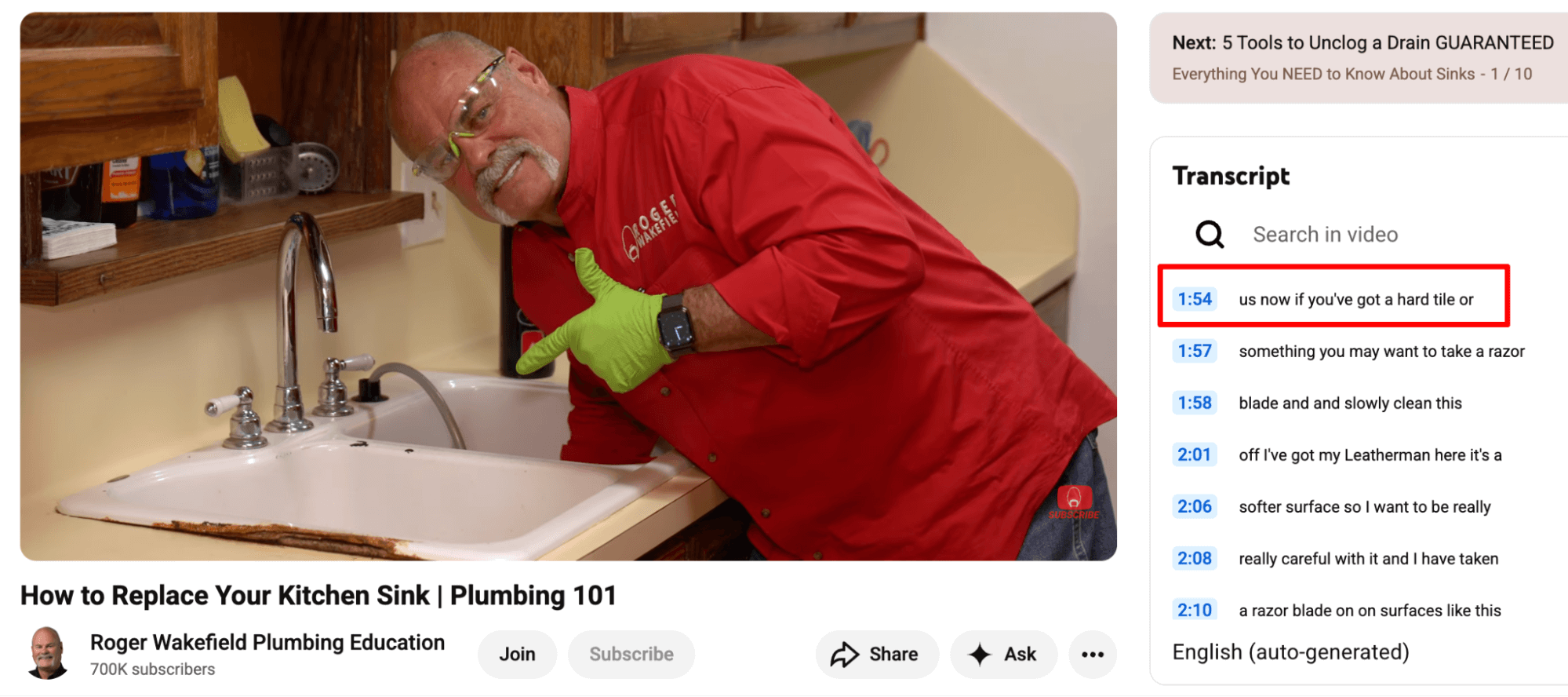
Try The Best Friend Tone: Speak as if you are sitting across from your best friend. Your goal is to teach without making the viewer feel stupid. If you are explaining a complex topic, do it with the same patience you would have for a friend.
#5: Engage Beyond Surface Replies
You’ve likely heard the old marketing adage that customers need to “know, like, and trust” you. That is true, but video offers a fourth, deeper level: connected to.
Video builds relationships at scale. When a viewer watches three, four, or 10 of your videos, they feel like they know you personally before they ever shake your hand or pick up the phone.
To build this connection, you have to engage. When someone leaves a comment, don't just drop a generic “thank you.” Keep the conversation going. Ask them, “What was your favorite part about this video?” This small tweak transforms a passive viewer into an active community member.
#6: Raise Your Authority With Sponsorships
You don't need millions of subscribers to make real money. In fact, waiting until you are “famous” leaves money on the table.
If you have a targeted, engaged audience, you have leverage and can start pitching sponsorships much earlier than you think.
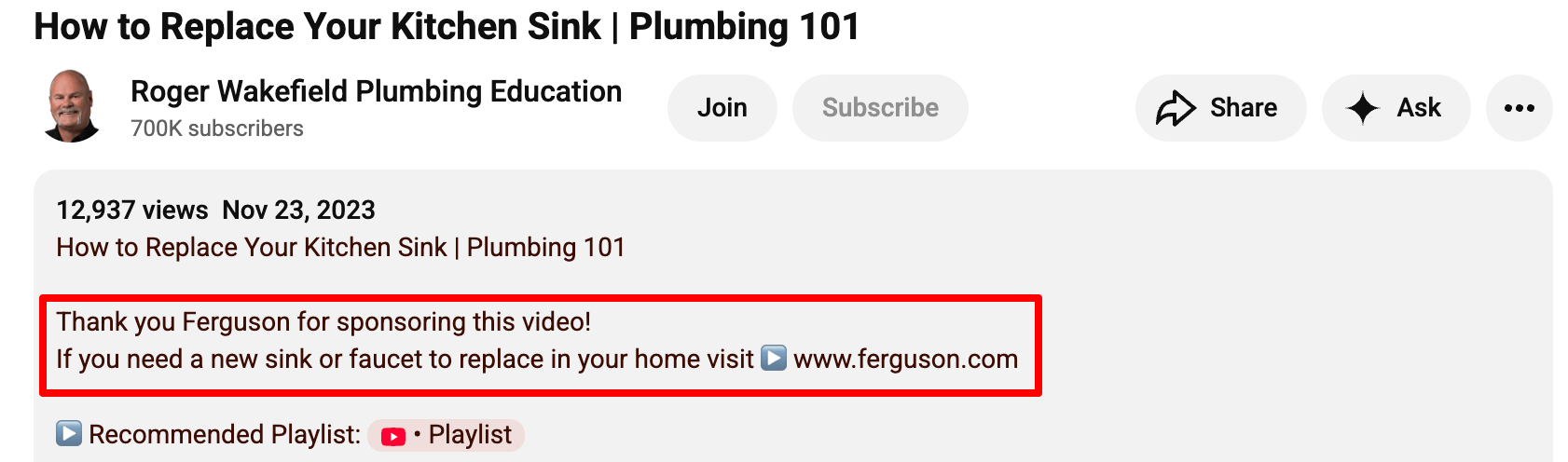
Roger began pitching major deals with only 10,000 subscribers. While he didn't get his asking price immediately, he eventually secured a $400,000 sponsorship when he had roughly 40,000 subscribers.
If you are looking to monetize, you can automate the outreach process using tools like SponsorKit.pro. This software helps you research influencers, create pitch decks, and write outreach emails. It turns a time-consuming chore into a streamlined system.
Roger Wakefield, known online as The Expert Plumber, has built a massive online following. He hosts The Trade Talks Live podcast, is the founder of SponsorKit.pro, and author of the forthcoming book, Blue Clarity. Follow him on YouTube, TikTok, and Instagram.
Other Notes From This Episode
- Connect with Michael Stelzner @Stelzner on Instagram and @Mike_Stelzner on X.
- Watch this interview and other exclusive content from Social Media Examiner on YouTube.
Listen to the Podcast Now
This article is sourced from the Social Media Marketing Podcast, a top marketing podcast. Listen or subscribe below.
Where to subscribe: Apple Podcasts | Spotify | YouTube Music | YouTube | Amazon Music | RSS
✋🏽 If you enjoyed this episode of the Social Media Marketing podcast, please head over to Apple Podcasts, leave a rating, write a review, and subscribe.
Stay Up-to-Date: Get New Marketing Articles Delivered to You!
Don't miss out on upcoming social media marketing insights and strategies! Sign up to receive notifications when we publish new articles on Social Media Examiner. Our expertly crafted content will help you stay ahead of the curve and drive results for your business. Click the link below to sign up now and receive our annual report!

Want to Unlock AI Marketing Breakthroughs?
If you’re like most of us, you are trying to figure out how to use AI in your marketing. Here's the solution: The AI Business Society—from your friends at Social Media Examiner.The AI Business Society is the place to discover how to apply AI in your work. When you join, you'll boost your productivity, unlock your creativity, and make connections with other marketers on a similar journey.
I'M READY TO BECOME AN AI-POWERED MARKETER