by
by Have you ever launched a marketing campaign only to hear crickets? Or struggled to explain what makes your company different—despite having a great product or service?
In this article, you’ll discover a five-part framework for developing a winning positioning strategy, including how to test your assumptions, gather multi-source market insights, and get internal and external buy-in for your messaging.
How Positioning Strategy Supports Your Brand
Positioning is the cornerstone of effective sales and marketing, yet countless companies fundamentally misunderstand its purpose.
When Jackie Hermes discusses positioning, she's not talking about product features or service specifications. Positioning operates at a significantly higher strategic level. It encompasses understanding your target audience, articulating your differentiation, and comprehensively mapping your competitive landscape.
When collaborating with organizations, Hermes has found that approximately fifty percent understand the necessity of establishing brand messaging and positioning before launching awareness initiatives. The remaining half desire immediate lead generation or attempt simultaneous positioning and lead generation efforts.
Most organizations that fail with positioning take the first opportunity to immediately launch into self-promotional messaging without first establishing their foundational purpose, understanding their audience's genuine needs, or demonstrating authentic value.
Successful companies employ a fundamentally different approach. They prioritize educating their audience and cultivating genuine interest before requesting any commitment. Rather than immediately pursuing demonstrations, consultation, or sales, they focus on providing value and building relationships.
This foundational work requires patience but is essential for sustainable success. Consider how you initially discovered companies like Apple, Uber, or Airbnb. These organizations invested heavily in creating awareness and concept validation before customers ever considered taking action.
How to Effectively Position Your Brand and Products
Hermes's positioning strategy is a comprehensive process that involves formulating testable hypotheses, conducting thorough market research, and analyzing results to validate or invalidate your marketplace assumptions.
#1: Develop and Test Your Market Hypotheses
Effective positioning begins with formulating hypotheses about your target market's beliefs about your business category, organization, and competitive landscape.
Talking with internal stakeholders will help you understand existing market assumptions, such as consumer perceptions regarding industry dynamics, organizational reputation, and competitive positioning.
You'll begin with two or three primary assumptions– specific, measurable hypotheses that systematic research can validate or invalidate. These hypotheses guide research efforts and focus information gathering on the most relevant positioning strategy elements.
#2: Conduct Multi-Source Research to Validate or Invalidate Your Hypotheses
Once you've established foundational hypotheses, you need to gather comprehensive information from three distinct sources. Brand strategist Stephanie Roland developed the following research methodology to ensure a complete understanding of the market landscape.
Each research component serves specific purposes and generates unique insights unavailable through alternative approaches.
Ready to Supercharge Your Marketing Strategy?

Get expert training and an unbeatable conference experience when you attend Social Media Marketing World—from your friends at Social Media Examiner.
Broaden your reach, skyrocket your engagement, and grow your sales. Become the marketing hero your company or clients need!
🔥 Save $510 on an All-Access ticket. Sale Ends Tuesday! 🔥
GET THE DETAILSThe combined results will provide comprehensive market understanding, audience insights, and competitive intelligence.
Research Public Forums
The first research component involves an online investigation of platforms where authentic conversations occur that may never appear in Google alerts or conventional research sources.
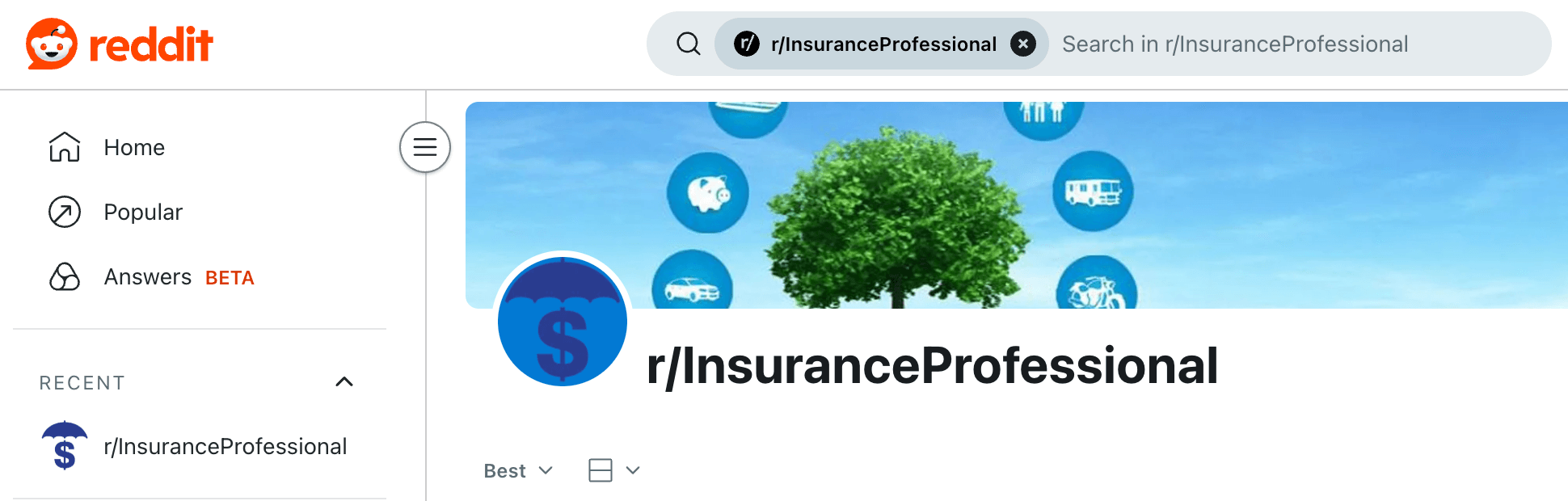
Reddit threads and Quora discussions represent invaluable repositories of authentic market insights. These platforms reveal where target audiences actively discuss the problems you solve and how they evaluate solutions they're considering.
For example, one of Hermes's clients sells solutions to insurance brokers. Research revealed a Reddit community containing twenty-six thousand brokers actively discussing quoting processes and systemic inefficiencies. Neither the client nor the research team previously knew this community existed, yet it provided extraordinary insights into authentic pain points and market frustrations.
You can post questions when conducting this research on these platforms, but your questions should exclusively support information gathering. No promotion should happen in these environments.
Interview Internal Teams
The second research category involves holding structured group conversations with internal stakeholders to uncover your team's knowledge regarding market processes and their perceptions of audience dynamics, market positioning, and competitive landscape.
The questions you ask will vary based on your objectives.
One particularly effective technique, borrowed from GoodQuest, involves asking team members to compose a company eulogy. How would the organization prefer remembrance if it ceased operations? This emotional exercise reveals deeper organizational purpose beyond profit generation and uncovers authentic motivations and values that drive your organization's mission and values.
Another creative approach is to ask your team to consider the company as an actor. What would define its signature roles?
During these interviews, pay close attention to everyone's facial expressions and reactions, particularly during video conferences. Understanding enthusiasm levels, neutrality, and potential resistance to a hypothesis helps you prepare for the final presentation of a strategy shift and ensures proactive rather than reactive concern management.
Pro Tip: When you detect negative reactions or disagreement, address them immediately. Stakeholder buy-in throughout the process proves far more effective than hoping for agreement during final presentations.
Interview External Stakeholders
The third research component is often the most valuable yet challenging to obtain.
These conversations should encompass current customers, lost customers, and customers who selected competitive solutions.
Deciding who to interview depends on your research focus. Underwriting product research might target senior underwriters, CIOs, and innovation officers. For a marketing event, you'd approach marketers through LinkedIn, offering incentives like gift cards for participation. Interviews with prospects who selected competitors help you understand why they rejected your solution.
Start your interview by focusing on relationship building and understanding the daily challenges faced by your consumer. Many organizations consider this relationship development time-wasting, but it establishes a level of comfort that proves essential for participants to share authentic information.
Be sure to ask about work challenges, potential product assistance, current solution inadequacies, competitor failings, and category overpromising tendencies. The objective is to understand the market perspective comprehensively, not merely solicit opinions about your specific solution.
AI Is No Longer Optional for Marketers—Ready to Master It?

Join over a thousand forward-thinking marketers at AI Business World—a conference-in-a-conference at Social Media Marketing World.
Get two days of practical AI training where you'll discover:
✅ Systems that 3x your output—leaving time for strategy and creativity
✅ Proven strategies you can deploy right away—no guesswork, no wasted budget
Become the indispensable AI expert your company needs.
GET YOUR TICKETS—SAVE $150Pro Tip: Always request recording permission for transcription and analysis purposes.
#3: Analyze Your Research Data
Once you've compiled information from all three sources, systematic data analysis will help validate or invalidate a hypothesis.
Using AI for Data Analysis
Research documents and transcripts create substantial manual analysis challenges. AI can help you process this information more efficiently while identifying patterns you might overlook.
For example, compile all your transcripts into a single document and ask ChatGPT to identify hypothesis-related themes.
Here is one hypothesis, and here are all the interviews. Extract commonalities or elements related to this hypothesis.
Repeat this process individually for each hypothesis.
You can also prompt the system using multiple approaches for different data perspectives to request theme extraction related to specific topics, or identify common pain points or desires mentioned across interviews.
#4: Tips for Getting Buy-In for Your Research and Positioning Strategy
Securing buy-in for positioning requires more than presenting compelling data. Most agencies, consultants, and internal marketers fail during presentation phases because they misunderstand that buy-in represents a process, not a singular event.
Your goal is to help each stakeholder audience understand your discoveries and how those discoveries are relevant to them.
You can foster the process by consistently referencing stakeholder comments from your research processes to demonstrate how your recommendations build upon existing insights and concerns.
For example, if internal stakeholders express skepticism about transitioning from technical to value-based sales approaches, feature target customer quotes expressing preference for value-based conversations. This removes personal elements from disagreements and focuses attention on actual market feedback rather than internal opinions or preferences.
Tailor Each Presentation to Your Stakeholder Audience
Structure each presentation based on the values and priorities of the audience you are speaking with.
If certain interview sources have a greater influence on a group's decision-making, feature their quotes and insights prominently in presentation materials.
For example, if you interviewed various roles but understand the CEO particularly values peer perspectives, prominently feature interview quotes from their peers throughout the presentation. This helps to confirm you've gathered their most desired information during your research phase.
Test Your Presentation With Organizational Champions
Conduct presentation dry runs with trusted allies who can shepherd your recommendations through internal discussions with other team members. Ask them for feedback about stakeholder reactions and potential concerns. Treat their input seriously and incorporate their suggestions before your final presentations. This approach ensures your champions can advocate for recommendations during internal conversations.
#5: Implement and Validate Your Positioning
Once you achieve initial buy-in, implementation work commences. This phase requires systematic testing and continuous validation to ensure the positioning resonates with target markets and generates the desired business results.
Begin implementation by testing new positioning with your sales teams. Train them on new messaging and approaches, then gather feedback about prospect responses to help refine those conversation recommendations. Positive sales interaction feedback provides internal validation that the research has been translated into effective market communication and positioning.
Next, test positioning on your website. Track metrics including time on site, scroll depth, bounce rate, and conversion rates to understand how the new messaging affects visitor engagement. These metrics provide objective validation of positioning improvement effectiveness.
You should also test positioning in advertising campaigns and monitor performance improvements. Changes in click-through rates, cost per acquisition, and overall campaign performance indicate whether positioning resonates with target audiences in paid channels.
Continuous Market Validation
Market validation represents an ongoing and dynamic process, not a one-time event.
Sometimes, initial research provides proper direction but requires refinement as real-world feedback accumulates. If performance metrics trend negatively, prepare for strategic adjustments.
Establish systems for collecting regular customer feedback on messaging and positioning. This might include post-sale interviews, customer satisfaction surveys, and ongoing sales team conversations about prospect responses.
Monitor competitive changes and market evolution that might necessitate positioning adjustments. Markets evolve, competitors modify approaches, and customer priorities shift over time. Your positioning strategy should maintain flexibility for adaptation while preserving core differentiation.
The objective is to create positioning strategies that function effectively initially and continue driving results as businesses grow and markets evolve. This requires treating positioning as a dynamic business strategy rather than a one-time project.
Jackie Hermes is the founder of Accelity, a marketing agency that helps B2B growth businesses rapidly scale their leads and sales. She's the host of the Art of Entrepreneurship podcast, and her course is Marketing for Cash-Strapped Startups. Connect with Jackie on LinkedIn.
Other Notes From This Episode
- Connect with Michael Stelzner @Stelzner on Instagram and @Mike_Stelzner on X.
- Watch this interview and other exclusive content from Social Media Examiner on YouTube.
Listen to the Podcast Now
This article is sourced from the Social Media Marketing Podcast, a top marketing podcast. Listen or subscribe below.
Where to subscribe: Apple Podcasts | Spotify | YouTube Music | YouTube | Amazon Music | RSS
✋🏽 If you enjoyed this episode of the Social Media Marketing podcast, please head over to Apple Podcasts, leave a rating, write a review, and subscribe.
Stay Up-to-Date: Get New Marketing Articles Delivered to You!
Don't miss out on upcoming social media marketing insights and strategies! Sign up to receive notifications when we publish new articles on Social Media Examiner. Our expertly crafted content will help you stay ahead of the curve and drive results for your business. Click the link below to sign up now and receive our annual report!

Want to Unlock AI Marketing Breakthroughs?
If you’re like most of us, you are trying to figure out how to use AI in your marketing. Here's the solution: The AI Business Society—from your friends at Social Media Examiner.The AI Business Society is the place to discover how to apply AI in your work. When you join, you'll boost your productivity, unlock your creativity, and make connections with other marketers on a similar journey.
I'M READY TO BECOME AN AI-POWERED MARKETER