by
by Are you feeling the pressure to do something with AI but unsure what that means for your business? Have you invested in AI tools or formed a task force, only to wonder why you’re still not seeing meaningful results?
Without a unifying strategy, even the best AI tools can create more noise than results. A strategic framework for operationalizing AI lets you move beyond hype and experimentation to a deliberate, business-results-driven approach.
In this article, you’ll explore a four-pillar AI strategy designed to help marketers acquire, convert, retain, and support customers more intelligently. Along the way, you’ll see real-world use cases for tools like Voiceify, Reply.io, Lindy, and Amplero, as well as guidance on how to scale internal operations and knowledge sharing through AI.
Whether you're just beginning to explore AI or actively deploying tools across your stack, this guide will help you clarify what success looks like—and chart a path toward measurable outcomes that align with your business goals.

Why AI Strategy Matters for Modern Marketers
The challenge many marketers and organizations face is approaching AI implementation without a strategic framework. As Susan Westwater, AI strategist and founder of Pragmatic Digital explains, “AI tools are like instruments. Without a score or conductor, it can just be noise, or it's going to be a singular effort as opposed to the incredible symphony that you hear when all of the instruments come together.”
Currently, businesses fall into two problematic categories. Some companies believe they're behind because they haven't selected the right tools, while others think they're on track because they have an AI task force and a policy. The reality is that neither approach addresses the fundamental question: what does winning look like?
Having an AI strategy enables organizations to move beyond random experimentation toward what Westwater calls “operationalizing AI.” This approach ensures that benefits extend beyond individual contributors experimenting with ChatGPT to create systematic improvements that the entire team can understand and measure.
The strategic approach helps organizations progress through three critical stages. First, understanding what they can do with AI. Second, determining what they should do based on business priorities. Finally, deciding what they actually will do given realistic constraints around resources and implementation timelines.
This framework provides a powerful guidebook that ensures efforts make sense and move toward a roadmap that delivers both learning opportunities and measurable results. Rather than accumulating failed pilots, organizations develop systematic knowledge while achieving wins along the way.
Pillar 1: 4 AI Tools That Support Smart Customer Acquisition
The first pillar of an effective AI marketing strategy focuses on smart customer acquisition rather than simply automating lead generation. This approach emphasizes optimizing the signal-to-noise ratio in your marketing efforts through sophisticated AI-supported personalization techniques that go far beyond basic demographic targeting.
Modern customer acquisition requires understanding how prospects talk about their challenges and what questions they're actually asking. Traditional marketing often involves projecting assumptions onto potential customers rather than letting them signal their actual needs and preferences.
Voiceify
Voiceify, a conversational AI platform that creates voice-based interactions can be used during throughout the customer journey from research to the order or reservation process, and more.
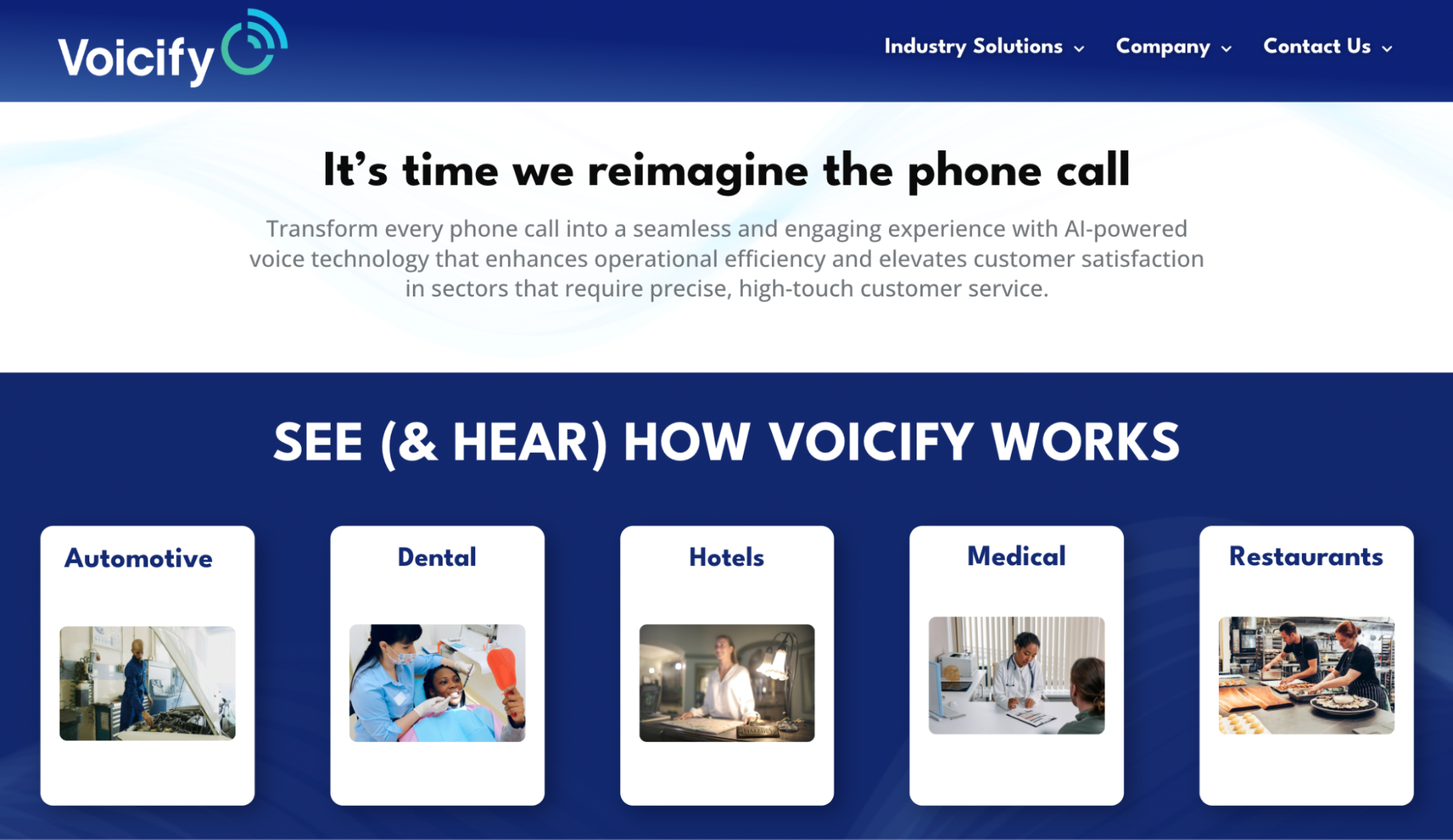
A local utility company in the Chicagoland area faced the challenge of promoting both business and residential programs during brief radio sponsorship segments between sports periods, quarters, or plays. With only thirty seconds to communicate their message, they needed a more efficient approach than traditional advertising.
Marketers Are Learning AI Alone
Sound familiar? 85% of marketers learn AI by experimenting on their own, just 7% get company training, and more than half spend their own money on tools.
Our third annual AI Marketing Industry Report surveys 681 marketers and distills everything into 32 clear charts — what's working, what platforms marketers rely on, and what to learn next.
SKIP THE GUESSWORK — READ THE REPORTUsing Voiceify, they created an experience where listeners only needed to remember the utility company's name and could ask questions about their programs. The system would then trigger a conversation asking whether the caller wanted to learn more about business or residential options, making the transition from radio advertisement to detailed conversation seamless and personalized.
Reply
Voice-based outreach through platforms like Voiceify can complement traditional email and social media approaches. However, Westwater cautions against using AI for phone-based outreach without careful consideration, emphasizing that the goal is to enhance human capabilities rather than replace human connection entirely.
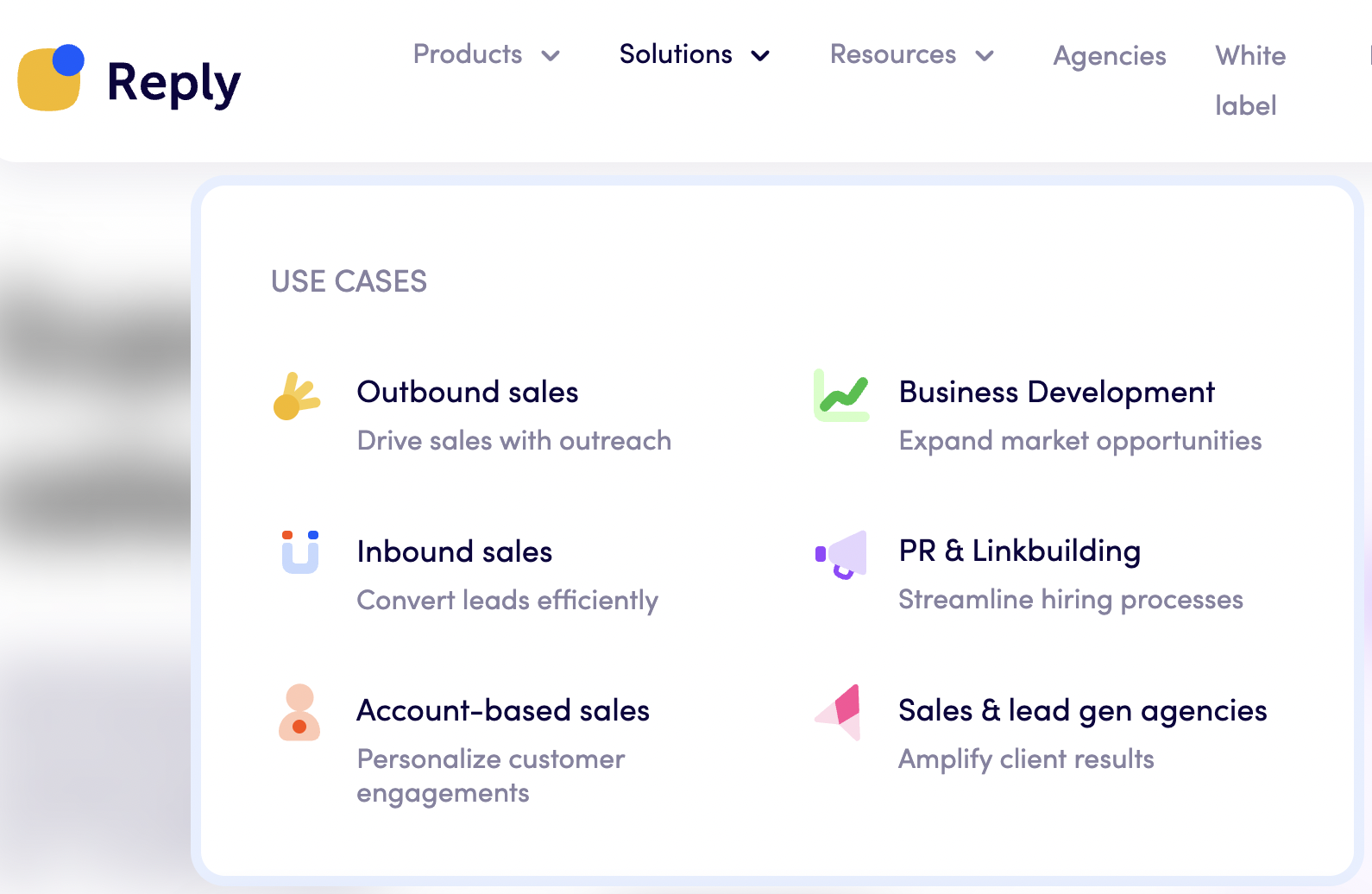
Reply.io serves as an email-focused platform that enables sophisticated cold outreach campaigns. When combined with prospect research from tools like Seamless.ai, marketers can create highly targeted campaigns that differentiate between cold prospects (who require different messaging) and warm leads who have already shown interest through website visits or content downloads.
The key to successful AI-powered acquisition lies in understanding that these tools enable much more sophisticated segmentation and personalization than traditional approaches, while freeing up human time for higher-value activities like relationship building and strategic conversations.
Seamless
AI-powered customer acquisition extends into sophisticated lead generation through tools like Seamless.ai, which automates prospect identification and information gathering. This platform goes beyond basic contact discovery to provide contextual information that enables more targeted outreach.
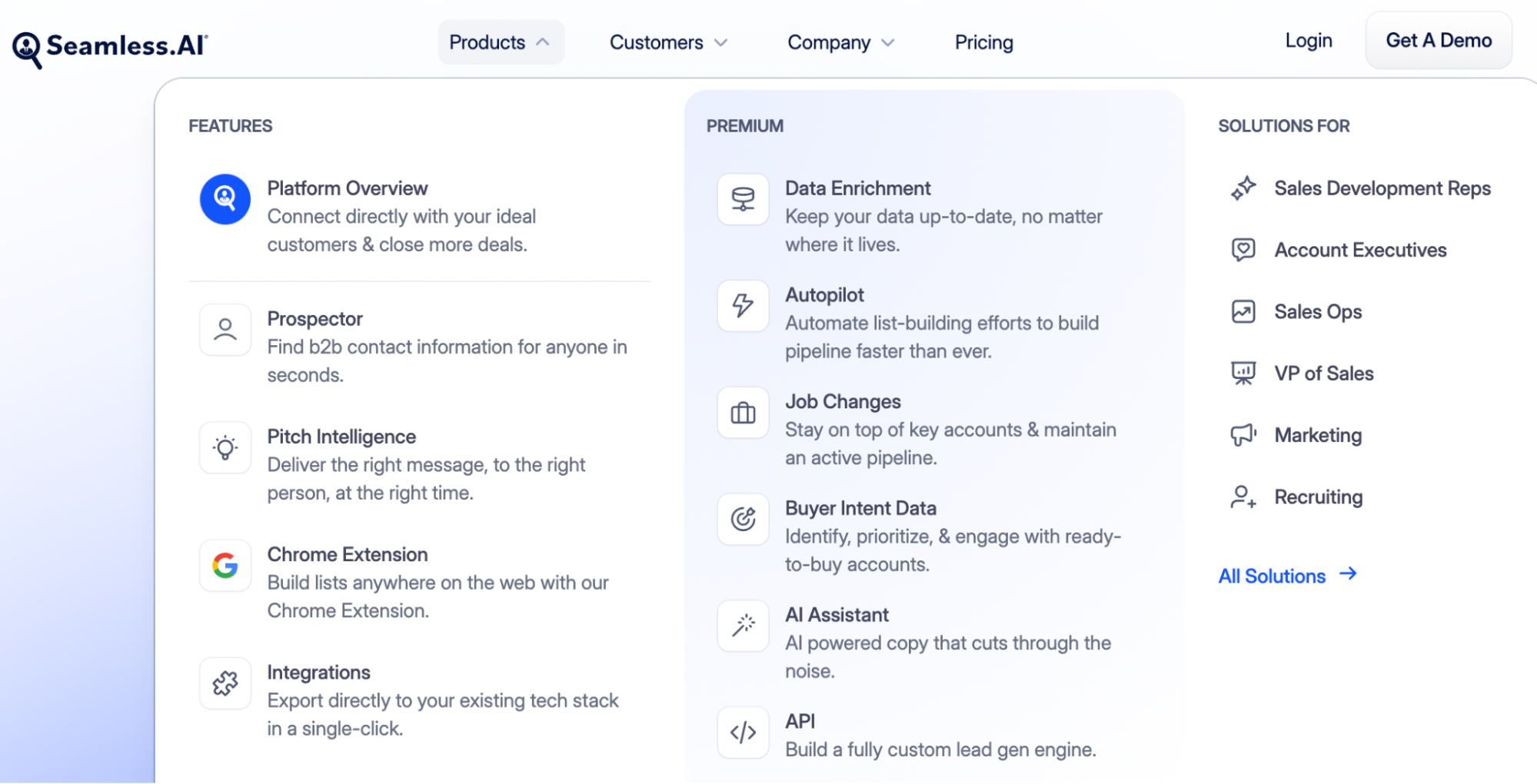
The process becomes more powerful when combined with large language models like ChatGPT for additional research. For example, when targeting agency clients, you can research potential prospects to understand their current agency relationships, whether they're in a review process, and how to appropriately time and position your outreach.
If research reveals that a prospect is currently conducting an agency review, you might delay direct sales contact or approach them with top-of-funnel content rather than aggressive sales messaging. This intelligence enables much more strategic and respectful engagement.
Lindy
Tools like Lindy.ai represent the evolution toward agentic AI, where systems can operate with different levels of human involvement. Westwater explains three key operational modes: human in the loop (where you direct and manage), human on the loop (where you verify before execution), and human out of the loop (where systems operate autonomously while learning and adjusting).
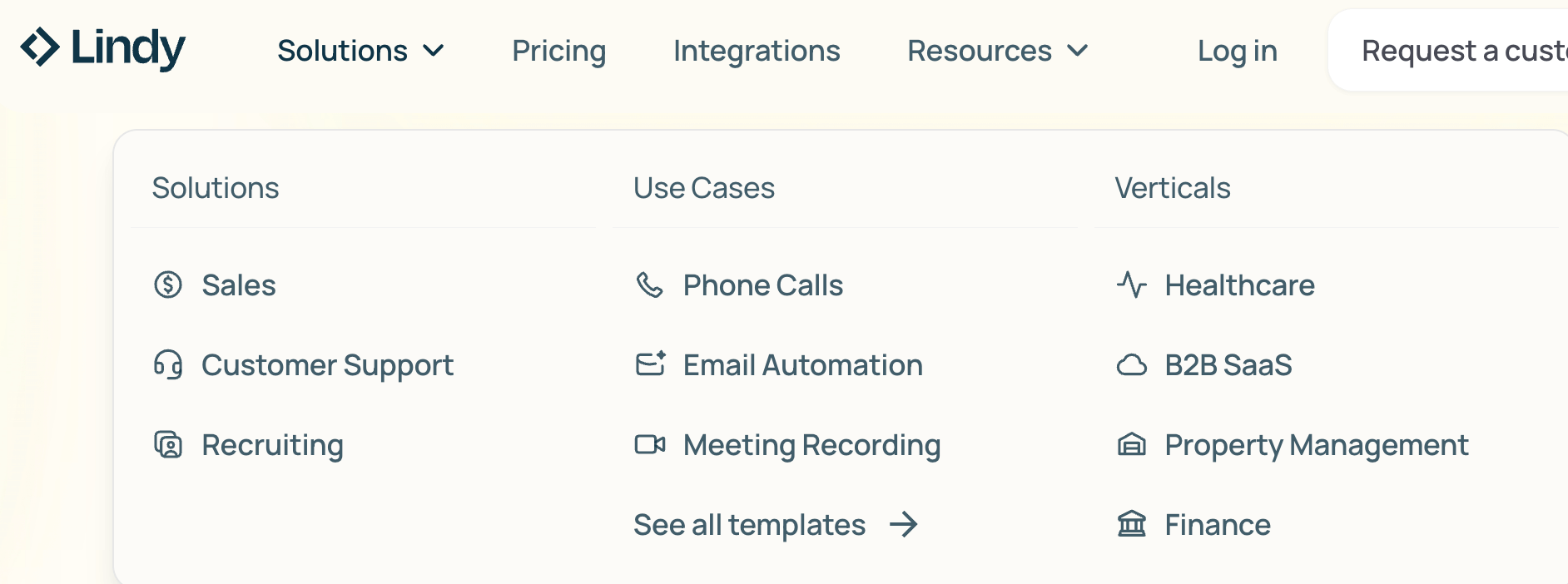
Lindy functions as a virtual assistant capable of performing complex tasks such as scheduling meetings and creating detailed prospect dossiers. When preparing for sales conversations, the system can automatically research prospects and compile relevant information, eliminating the time-intensive manual research that typically precedes important sales calls.
This capability extends to creating repeatable workflows that consistently deliver the information sales teams need without requiring them to spend hours researching every prospect manually. The system can learn your standard research questions and even suggest additional areas of inquiry based on patterns it identifies.
Pillar 2: 3 AI Tools That Support Customer Conversion
The second pillar focuses on accelerating conversion rates through intelligent follow-up systems and sophisticated lead nurturing that goes far beyond basic automated email sequences. This approach emphasizes understanding when and how to follow up while maintaining relevance and avoiding the spam-like behavior that many automated systems produce.
Modern conversion optimization requires personalization that extends well beyond inserting first and last names into email templates. The goal is creating meaningful engagement sequences that reference specific previous conversations, relevant next steps, and contextual information that demonstrates genuine understanding of the prospect's situation.
AI-powered systems can track conversation history and determine appropriate follow-up timing based on lead scoring and engagement patterns. This enables marketers to create proper sequences that adjust based on prospect behavior rather than following rigid timelines regardless of prospect engagement.
Westwater explains that these systems can operate across multiple channels, including email, social media direct messages, LinkedIn messaging, and even phone interactions, though she cautions about phone automation to ensure authentic human connection remains prioritized.
Reply
Reply.io enables sophisticated email personalization and sequence management that goes beyond traditional autoresponders. The platform tracks where prospects are in sequences, monitors replies, and can adjust subsequent communications based on engagement levels.
Unlike simple sequential approaches (email one, email two, email three), these systems can create dynamic paths where the content of subsequent emails depends on previous interactions. The system recognizes replies and determines appropriate next steps, using engagement signals for lead nurturing that becomes progressively more sophisticated over time.
For example, if someone downloads a piece of content and asks questions about getting started with AI, the system can automatically categorize their interest level and trigger appropriate follow-up sequences that address their specific inquiry rather than generic promotional content.
Generative AI Enhancement
Modern follow-up systems benefit significantly from generative AI capabilities that eliminate the traditional limitation of having to anticipate every possible prospect response. Instead of requiring marketers to map out every permutation of potential conversations, AI can use fuzzy logic to identify intent and respond appropriately.
For example, when someone says “I need to get started,” the system understands this indicates interest in beginning their journey, while “now what?” suggests they've completed an initial step and need direction for next actions. The responses don't need to match exactly predetermined scripts because the AI can interpret meaning and route to appropriate responses.
This capability also provides valuable insights into how prospects actually describe their challenges and needs, information that can improve future marketing messaging and positioning. Rather than projecting assumptions about how customers think about problems, marketers can observe actual language patterns and adjust their communication accordingly.
Interactive AI Chat
The choice between interactive chat experiences and traditional form submissions depends on the specific situation and prospect preferences. Some website visitors prefer quick form completion while others want to engage in conversation to get immediate answers to their questions.
Modern AI systems can provide both options and even transition between them based on the complexity of the inquiry. Simple requests might be handled through forms, while complex questions that require clarification can transition to conversational interfaces that gather more nuanced information.

Which AI Moves Actually Matter?
That's what every marketer is wrestling with now. New AI strategies, new tools, new takes every week — but no clarity. Most marketers and business owners are trying to figure out AI alone.The AI Business Society is your trusted guide. Get expert-led training you can put to work immediately. Plus a community of marketers sharing what's actually working.
I'M READY FOR REAL AI RESULTSThis flexibility represents a significant improvement over forcing all prospects through identical engagement processes regardless of their preferences or the nature of their inquiry. The goal is behaving like humans normally would in conversation rather than constraining interactions to predetermined paths.
Pillar 3: 5 Ways AI Systems Support Customer Retention
The third pillar addresses customer retention through predictive analytics, proactive engagement, and value demonstration that keeps existing customers satisfied and reduces churn. This approach goes beyond reactive customer service to anticipate problems and opportunities before they impact the customer relationship.
Predictive Churn Analysis
AI-powered retention strategies begin with identifying customers who may be at risk of churning before they actually leave. These systems analyze usage patterns, engagement levels, support ticket frequency, and other behavioral signals to predict which customers might be reconsidering their relationship with your company.
Westwater describes working with clients to implement systems that can forecast churn based on multiple data points. When the system identifies a customer showing concerning patterns—perhaps decreased product usage, reduced email engagement, or increased support requests—it can trigger proactive outreach before the situation deteriorates.
The key advantage of predictive approaches is enabling intervention while there's still time to address concerns and demonstrate value, rather than learning about problems only when customers announce they're leaving.
Proactive Value Demonstration
For service providers like agencies, AI can help create more compelling reporting and market intelligence that demonstrates ongoing value to clients. Rather than spending hours manually compiling information from multiple trade journals and market reports, AI systems can monitor relevant information sources and surface insights that help clients understand changing market conditions.
This capability becomes particularly valuable during challenging economic periods when clients face new pressures like tariff implications or supply chain disruptions. AI can help identify relevant insights and present solutions that address these emerging challenges, positioning the service provider as a valuable partner rather than just a vendor.
The goal is staying relevant and proactive in client relationships without requiring service providers to sacrifice all their personal time monitoring every possible source of market intelligence.
Automated Customer Success Monitoring
AI systems can monitor customer success indicators and provide early warning signals when intervention might be needed. For example, if a customer purchases a product that doesn't arrive on time, the system can flag this situation before the customer contacts support, enabling proactive communication that addresses the issue before it becomes a source of frustration.
This type of monitoring extends beyond basic transactional information to include usage patterns, feature adoption, and engagement metrics that indicate customer health. When patterns suggest a customer might be struggling to achieve success with your product or service, automated systems can trigger appropriate outreach or resource delivery.
Long-Term Relationship Management with Amplero
For businesses with longer sales cycles or infrequent repurchase patterns, maintaining customer relationships requires sophisticated timing and touchpoint management. Amplero applies machine learning to predictive marketing, providing customer segmentation and scoring that helps determine when and how to re-engage customers.
The platform processes normalized customer data to identify customers who might be ready for upgrades, at risk of churning, or suitable for lookalike marketing campaigns. It operates within secure, isolated environments where customer data remains protected and isn't used to train models for other businesses.
Amplero's strength lies in highlighting patterns that might not be obvious through manual analysis, such as identifying customers whose behavior patterns suggest readiness for additional products or services. This enables more strategic timing of sales conversations rather than generic periodic outreach.
Service Reminders and Maintenance Communications
Retention strategies often include staying top-of-mind through relevant service reminders and maintenance communications that provide genuine value rather than appearing solely promotional. This is particularly important in industries with long repurchase cycles where customers might forget about the provider between transactions.
AI can optimize the timing and content of these communications, ensuring they arrive when most relevant and contain information that genuinely helps customers maintain or optimize their use of purchased products. This approach maintains relationship continuity while providing practical value that customers appreciate.
The key to successful retention communications is ensuring they feel helpful rather than intrusive, providing real value that strengthens the customer relationship while positioning the business for future opportunities.
Pillar 4: 5 Ways AI Streamlines Internal Operations
The fourth pillar focuses on internal operational efficiency through AI-powered automation, intelligent reporting, and knowledge management systems that free up human resources for higher-value activities. This represents the infrastructure that enables the other three pillars to function effectively.
Intelligent Reporting and Data Access
Traditional reporting often requires significant time investment from team members who must manually pull data from multiple systems like Tableau, HubSpot, and various analytics platforms. AI can eliminate this burden by enabling natural language queries that automatically aggregate information from multiple sources.
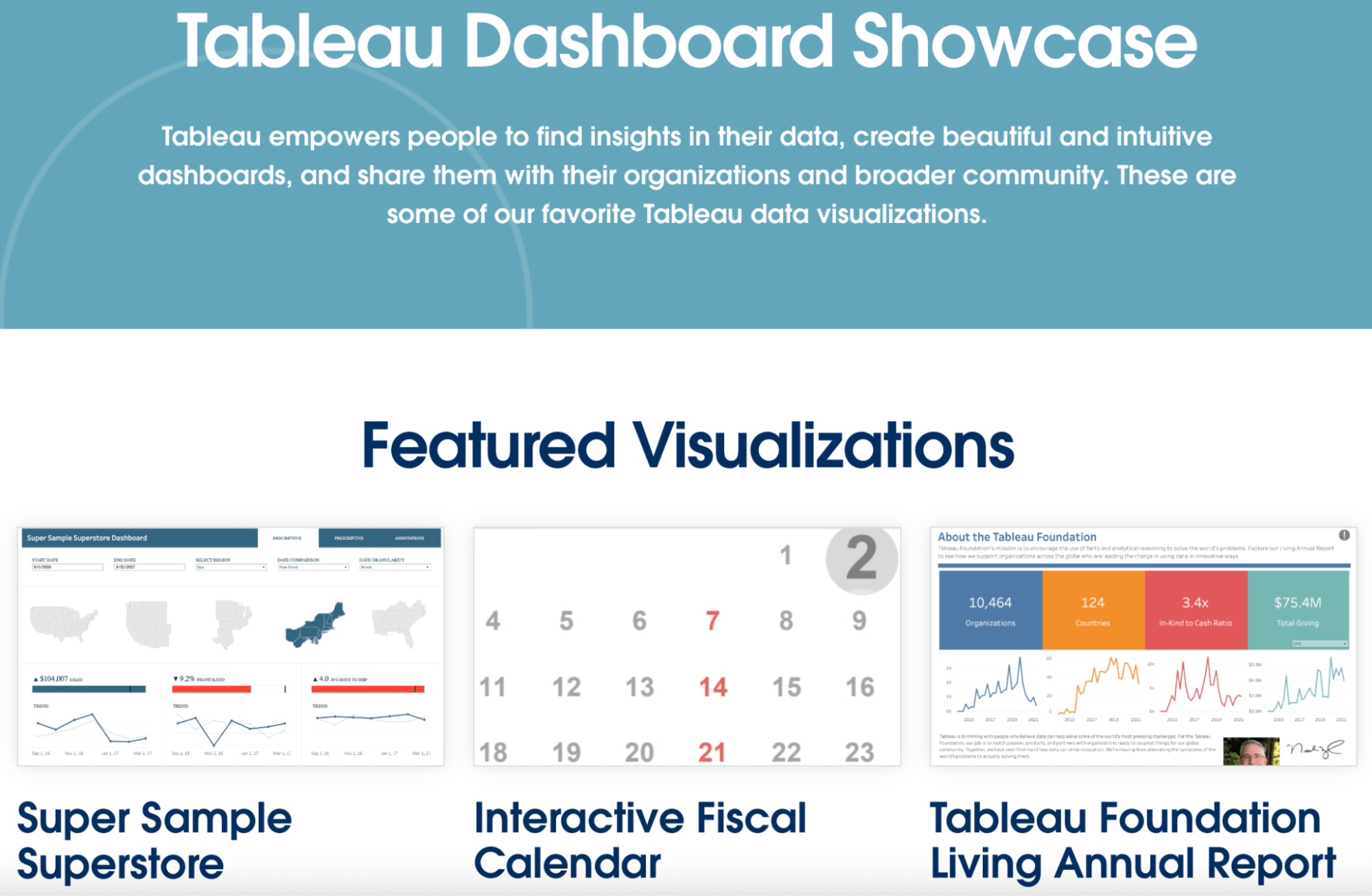
Instead of requiring team members to remember specific procedures for accessing different reporting systems, AI interfaces allow simple questions like “How did we perform in the Southwest region?” or “What do inventory numbers look like?” These systems can process these queries and return comprehensive answers without requiring technical expertise.
Google's Looker Studio exemplifies this approach by combining data visualization with conversational AI that allows users to ask questions about their dashboards and receive real-time insights. This eliminates the need for extensive training on complex reporting tools while ensuring decision-makers can access the information they need quickly.
Knowledge Capture and Institutional Memory
Manufacturing and other industries face significant challenges when experienced employees retire, taking decades of accumulated knowledge with them. AI systems can help capture this institutional knowledge and convert it into accessible formats like standard operating procedures, reference guides, and troubleshooting resources.
Rather than allowing critical knowledge to walk out the door, organizations can use AI to systematically document processes, lessons learned, and specialized expertise in formats that new employees can easily access and use. This knowledge capture goes beyond simple documentation to create interactive systems that can answer specific questions and guide problem-solving.
Conversational AI for Internal Support
VoiceFlow enables organizations to create private conversational assistants that operate behind corporate firewalls, ensuring sensitive information remains secure while providing employees with easy access to company policies, procedures, and institutional knowledge.
These systems can function like private versions of Alexa or ChatGPT, allowing employees to ask questions about company policies, find specific procedures, or access relevant information without having to navigate complex document repositories or wait for responses from busy colleagues.
The key advantage of conversational interfaces is making information access as simple as asking a natural language question rather than requiring employees to remember where specific information is stored or how to navigate complex systems.
Automated Workflow Recognition
The most effective approach to identifying automation opportunities involves recognizing patterns in daily work routines. Any task performed three times per day or more represents a potential automation candidate, particularly tasks that consistently generate frustration or the feeling that “there has to be a better way.”
Westwater emphasizes the importance of involving the people who actually perform these tasks in the automation planning process. These team members understand the nuances of workflows and can identify which steps can be streamlined and which require human judgment or intervention.
This inclusive approach also helps identify potential consequences or implications that might not be obvious to leadership, ensuring that automation efforts improve rather than compromise quality or create new problems.
No-Code Implementation Solutions
Modern AI automation tools increasingly offer no-code solutions that enable implementation without requiring development teams or extensive IT resources. These platforms allow business users to create sophisticated workflows and automation while ensuring proper security and compliance requirements are met.
The goal is making AI implementation accessible to the people who best understand business processes rather than requiring technical translation layers that can introduce miscommunication or delays. When business users can directly implement solutions, they can iterate more quickly and ensure the results meet their actual needs.
However, successful implementation still requires involvement from legal and IT representatives to ensure security, compliance, and integration requirements are properly addressed. The key is bringing these stakeholders into the conversation early rather than treating their requirements as afterthoughts.
Susan Westwater is an AI strategist and founder of Pragmatic Digital, an AI agency that helps businesses train their teams and develop AI strategies. She's co-author of Voice Marketing: Harnessing the Power of Conversational AI to Drive Customer Engagement. Download The Complete AI Toolkit for Marketers for thirty different AI tool recommendations. Connect with her on LinkedIn and X.
Other Notes From This Episode
- Connect with Michael Stelzner @Stelzner on Facebook and @Mike_Stelzner on X.
- Watch this interview and other exclusive content from Social Media Examiner on YouTube.
Listen to the Podcast Now
This article is sourced from the AI Explored podcast. Listen or subscribe below.
Where to subscribe: Apple Podcasts | Spotify | YouTube Music | YouTube | Amazon Music | RSS
✋🏽 If you enjoyed this episode of the AI Explored podcast, please head over to Apple Podcasts, leave a rating, write a review, and subscribe.
Stay Up-to-Date: Get New Marketing Articles Delivered to You!
Don't miss out on upcoming social media marketing insights and strategies! Sign up to receive notifications when we publish new articles on Social Media Examiner. Our expertly crafted content will help you stay ahead of the curve and drive results for your business. Click the link below to sign up now and receive our annual report!

Discover Proven Marketing Strategies and Tips
Want to go even deeper with your marketing? Check out the Social Media Marketing Podcast! Publishing weekly since 2012, the Social Media Marketing Podcast helps you navigate the constantly changing marketing jungle, with expert interviews from marketing pros.
But don’t let the name fool you. This show is about a lot more than just social media marketing. With over 650 episodes and millions of downloads each year, this show has been a trusted source for marketers for well over a decade.