by
by Are you worried AI will replace you? Do you wonder which marketing skills will actually matter in an AI-powered future?
In this article, you'll discover what skills are becoming more valuable now, tactical steps to stay competitive, warning signs you're falling behind, and what experts predict marketers will be talking about throughout 2026.
The Job Displacement Data You Need to Know
AI is already affecting marketing employment, and the data proves it. Chris Penn points to a Stanford study called Canaries in the Coal Mine, updated in November when Anthropic released their work study. The research shows that for early-career marketing professionals aged twenty-two to twenty-five, AI has caused a net loss of approximately twenty percent of headcount in sales and marketing roles. The effect decreases as seniority increases, but there's an overall deflection across the field since January when everyone figured out ChatGPT existed.
The displacement isn't happening the way most people imagine. You won't show up one day to find a Terminator sitting at your desk. Instead, companies are realizing they can maintain the same output with fewer people. If a social media team of fifty can produce the same quality and volume with AI tools, leadership starts asking whether they need forty people, or thirty, or twenty. Some companies are saying they could do eighty percent headcount reductions while maintaining output.
Chris describes two recent examples that illustrate this shift. At a fall conference, an agency owner shared that their client demanded an eighty percent fee reduction because the client could get better results from ChatGPT than from the agency. The agency couldn't compete and lost the client. Another agency owner revealed they needed to reduce their team by sixty percent in 2026 to remain profitable because AI had fundamentally changed market expectations.
Rachel Woods sees this transformation from a different angle. She works with high-growth agencies facing the opposite problem: they can't find enough talent to meet service demand. For these businesses, AI solves a critical bottleneck. Instead of doubling headcount to grow, a team of ten can dramatically expand capacity by using AI to handle templated work. This allows people to think bigger picture, become managers of AI, and systematize their workflows.
For those roles, the focus becomes enabling people to punch well above their weight rather than replacing them. Chris notes his company, Trust Insights, has four people who perform exceptionally well. They routinely discuss whether they'll ever add a fifth person, but as AI tools advance, they don't need to. The tools are moving so fast that hiring becomes unnecessary.
#1: The Skills That Are Becoming More Valuable Now
Before diving into specific skills, Chris offers a golden rule he shared at Social Media Marketing World in 2015: “If you do it with a template today, a machine does it without you tomorrow.” This eleven-year-old warning has proven prophetic. Social media marketers who rely on Instagram templates and TikTok templates are discovering that generative AI can use those exact same templates. Today's newest tools like Claude Code and Claude Cowork function as agents—you give them templates and recipes, come back later, and the work is done.
Chris identifies three critical skills he calls the three C's: critical thinking, creative thinking, and contextual thinking.
Critical thinking means knowing when to call BS on machines and being able to think, period. Chris describes uncomfortable conversations he's had with consulting clients who have relegated their thinking to AI. Critical thinking involves four components he calls PODS: Planning, Organization, Decision-making, and Problem-solving. When you make decisions, your brain gets stronger. When you delegate these four skills to AI, your brain gets weaker. You must develop these capabilities within critical thinking to be stronger, and the stronger you are, the harder you can push AI.
Creative thinking becomes essential because whoever has the most best ideas will win. AI takes skills and gives you minimum competency at those skills. Chris doesn't have a musical bone in his body, but if he has an idea, he can use Suno to generate something acceptable. While it won't win a Grammy, it's better than what he could do alone. AI provides minimum competency at execution, which means the differentiator becomes having ideas in the first place. The person with more and better creative ideas can leverage AI to execute on concepts that would have been impossible for them before.
Contextual thinking means knowing what data you have, where it lives, and how to get it into a machine so you can use it. The big unlock for companies is the proprietary data they have somewhere inside that nobody else has. Using that data with AI produces better results than competitors can achieve. Chris explains it like having better ingredients: if everybody has the same pancake mix but you have better quality wheat, your pancakes will be better, all other things being equal.
Rachel adds two essential skills to this framework. Systems and process thinking has become critically valuable, especially for building AI workforces. Creating many systems for yourself and your team requires this capability. It's easy to make a messy AI workforce that does nothing or does unexpected things. The ability to think in systems and create collaborative processes where teams can engage in AI-centric ways represents continuous learning that always improves.
Adaptability represents the second skill Rachel emphasizes. AI is still changing so fast, and many people who use AI frequently are using it the same way they did a year ago. They feel comfortable in that approach and aren't as open to adapting into new ways. The last couple of months have brought many new capabilities to market. Having the mindset of adaptability and being willing to stay in the clunky side of things when they aren't quite perfect yet helps you stay on the cutting edge of what AI can do.
Ready to Supercharge Your Marketing Strategy?
Get expert training and an unbeatable conference experience when you attend Social Media Marketing World—from your friends at Social Media Examiner.
Broaden your reach, skyrocket your engagement, and grow your sales. Become the marketing hero your company or clients need!
🔥 Save $500 on an All-Access ticket. Sale Ends Friday! 🔥
GET THE DETAILSChris warns that marketers who don't adapt face unemployment. He's serious about this. Update your LinkedIn profile if you're not developing these skills. In two to three years, people stuck in today or yesterday's methodology will find themselves without jobs.
#2: Tactical Steps If You're Worried About AI Taking Your Job
Chris recommends thinking through requirements gathering for any project you want to complete. Maybe you're writing a blog post, creating software, or making a music video with dancing pigs. Whatever it is, sit down and think through functional requirements, non-functional requirements, hazards, risks, user stories—all the elements that go into a product requirements document or business requirements document. This becomes a perfect prompt that tells AI exactly what you're trying to bring to life.
If Chris had to give people exactly one thing, one sentence that would make AI doubly good for them no matter what, it would be this:
Ask me questions until you have enough information to successfully complete the task.
Put this sentence at the end of every single prompt you ever write. Chris explains this doubles your capabilities automatically because you're no longer asking the machine to guess. You're saying tell me what you need and I will give it to you.
Instead of treating AI like a magic lamp where you rub it and hope for the best, you're treating it like the prediction engine it actually is. The more relevant data you give it to predict with, the better it predicts. This prevents executive function decay because you're not saying “just do the thing for me.” You're saying “ask me questions,” and when it does, you engage your brain. You think through planning, organization, decision-making, and problem-solving—the PODS framework. You often realize you hadn't thought about certain aspects, which makes you stronger while simultaneously getting better AI outputs.
Rachel says that if you're not using AI at least daily, a really good checkpoint is having the tab open on your computer every single day. Most people she knows have ten tabs of ChatGPT open or whatever tool they prefer, and they're popping in and out constantly. If you're not there yet, immersing yourself in communities where AI use is common helps tremendously. Both social pressure and inspiration from seeing how others use AI accelerates adoption. Rachel met a woman in Hawaii who was crushing in her business but hadn't gotten into AI. Rachel suggested joining a Facebook group local to Hawaii. A month later, the woman had experimented and learned extensively, all fairly passively from joining a community and paying attention.
Chris recommends paying for AI subscriptions rather than relying on free tiers. Specifically, he suggests Claude and Gemini are worth paying for.
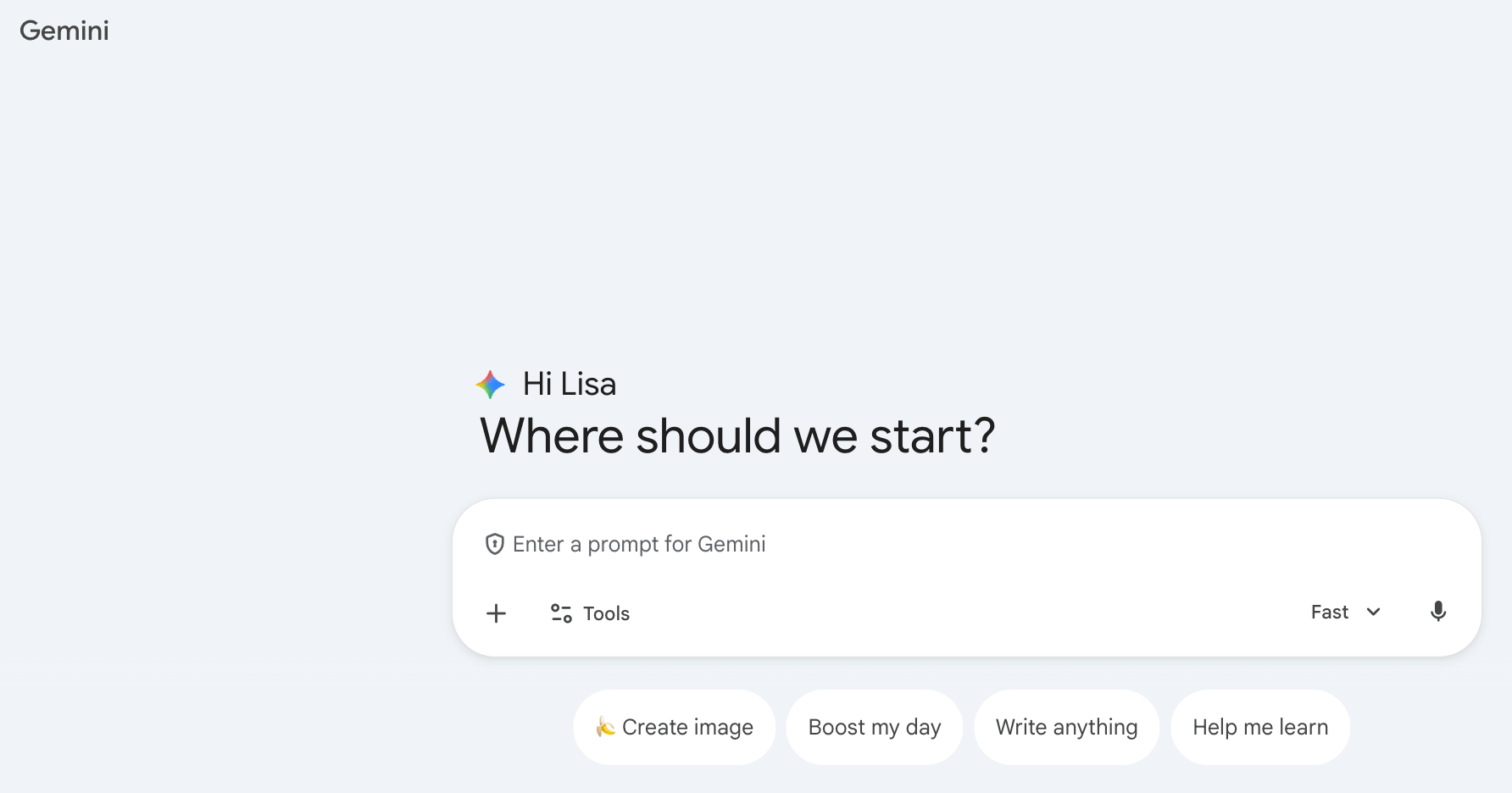
He doesn't think OpenAI is doing a particularly good job of keeping up. The advanced capabilities, better reasoning, and longer context windows in paid versions make them essential for professional work.
#3: What AI Adopters Should Be Doing This Week
For those already using AI daily, Rachel recommends AI playbooks. Instead of giving AI one task at a time, you give it a series of tasks or steps. Claude Skills makes this easy. You write a document that outlines a task or process you want AI to run, then store it in settings. Whenever you're in any chat conversation, you can reference it directly. Rachel has a steel man skill that argues against her positions. Once you start creating reusable processes, it becomes addictive—you want to make a skill for everything. This demonstrates the power of systems thinking and process thinking applied to AI.

Chris offers a concrete example of what's possible when you build multiple agents that interact with each other. He writes a newsletter called Almost Timely with three hundred thousand subscribers—enough to be the seventy-third largest city in the US if it were a city. He doesn't do a great job monetizing it. To solve this, he created four agents in Claude Code: a CEO agent, a CFO agent, a sales agent, and a customer agent. He gave them his newsletter details, explained his current monetization approach, and told them he felt he was leaving money on the table.
AI Is No Longer Optional for Marketers—Ready to Master It?
Join over a thousand forward-thinking marketers at AI Business World—a conference-in-a-conference at Social Media Marketing World.
Get two days of practical AI training where you'll discover:
✅ Systems that 3x your output—leaving time for strategy and creativity
✅ Proven strategies you can deploy right away—no guesswork, no wasted budget
Become the indispensable AI expert your company needs.
GET YOUR TICKETS—SAVE $150The four agents started arguing with each other. The voice of the customer said “if you do that, you're going to piss me off because that's not why I'm a subscriber.” The CFO said “there's no market for this, that makes no sense financially.” After forty-five minutes of them arguing while Chris refereed, they came up with a unified strategy, tactics, execution, and measurement plan. The plan showed him how to go from five-figure revenue to seven-figure revenue because he was completely missing opportunities. His next step is creating a sponsor agent and direct sales agent inside this environment that can draft pitches, connect to his Gmail API, and execute the grunt work he's unwilling to make time for but knows agents can handle.
Rachel shares a powerful example from an influencer marketing agency client. The agency had exceptional documentation—templates, playbooks, and standard operating procedures already written down because they worked on high-profile influencer matching projects for big brands with significant expectations. Their process took two to three weeks running manually. They received thousands of applicants and had no way to review them all. Basic Excel filters helped, but most vetting involved opening their phone, navigating to each applicant's profile, and swiping through videos looking for detailed criteria like whether an influencer posted fast food content that wouldn't align with a health-focused brand's ethos.
Because they already had detailed templates and playbooks, Rachel's team taught AI their entire vetting process. Now they can run huge batches of applicants through the system in about two hours. They tell clients they can deliver matched influencers in two to three days instead of weeks. The team now works on other pieces of the activation journey while AI handles what used to consume weeks of manual work. The key question becomes: what can we templatize next?
Chris suggests that advanced users should spend time in coding tools, not to write code but because these tools have skill and agent capabilities built in. Tools like Claude Code and Google Gemini Code work with your file system. Having a tool access a specific folder on your computer creates incredible possibilities. It can take notes, read and write files, and maintain persistent memory.
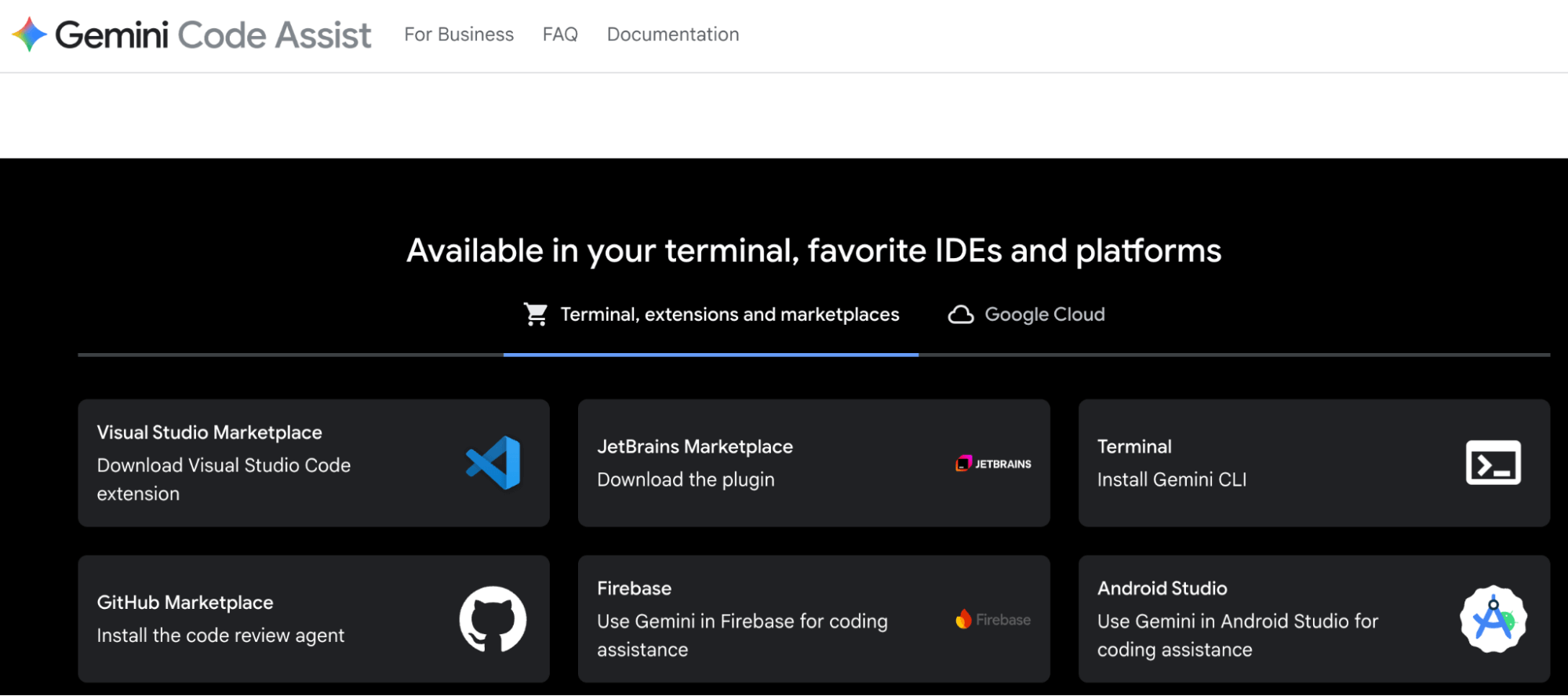
A simple example: turn on Qwen Code and give it a folder for journaling. Dictate what you're talking about and it writes journal entries daily. At the end of the week, ask how your week went. It reviews the entries it wrote and tells you your week sucked. More practically, Rachel uses Claude Code every morning with her “todaying” skill. She types “todaying” and it checks her calendar, pulls everything for the day, checks ClickUp for task management, compares against yesterday's todaying summary, and helps her prioritize work order.
Rachel's morning routine with Claude Code pulls from her calendar and project management tools to build her entire daily system. These little automations build into comprehensive systems helping with everything.
Claude also offers Cowork, which is essentially Claude Code without the coding portions. It's a rapidly evolving product. Cowork allows you to use Claude as a coworking assistant. Give it a folder on your desktop, provide the skills you want it to have, and it can create presentations from outlines, picking up templates from your templates folder and brand guidelines from your brand folder.
One warning from Rachel: Cowork can open your browser, scroll websites, take screenshots, and navigate. She was demoing it and asked it to summarize LinkedIn notifications and determine what to respond to. It gave clear recommendations, drafted a response, then clicked send before she realized what was happening. Watch your agent carefully and be explicit: draft responses but do not send.
Chris emphasizes this point with the genie metaphor. These tools grant wishes quite literally. Their reasoning chain might determine that since you asked for a LinkedIn response and LinkedIn is where people post things, posting makes sense. Unless you explicitly say draft and do not send, the agent will complete what it perceives as the full task.
#4: Warning Signs You're Falling Behind
The clearest warning sign is not using AI at least daily. Rachel states this directly: if you're not engaging with AI daily, you're already behind. Having multiple tabs open and actively using AI throughout your day is the standard among people succeeding with these tools.
Not being immersed in communities discussing AI use indicates you're falling behind. Rachel emphasizes that both social pressure and inspiration from communities accelerate learning. Seeing how others apply AI gives you ideas and motivation to experiment yourself.
Chris points to the agricultural revolution as an analogy. A hundred and fifty years ago, harvesting thirty acres of corn took a team of twenty-five people working dawn to dusk for two and a half weeks doing backbreaking work. It wasn't great work, but it employed a lot of people. Today, two people driving a John Deere X9-1100 clear the same thirty acres in an hour, with the crop harvested, cut, shelled, and ready for market. That same processing once took an entire winter because people would harvest in the fall then spend winter processing the crop. Today, it's done in an hour. The farm doesn't hire teams of twenty-five anymore.
If you don't know how to drive a John Deere X9-1100, your employability to a farm today is basically very low. That's what's happening in knowledge work. You need to know how to “drive the tractor”—in this case, AI tools—or your employability drops dramatically.
Relying on free AI tiers instead of paying for professional subscriptions limits what you accomplish. Chris notes that advanced reasoning, longer context windows, and better output quality in paid versions make them essential for professional work. If you're unwilling to invest in these tools, you're not serious about leveraging them.
Refusing to acknowledge AI's impact and avoiding uncomfortable conversations about it suggests denial. Rachel notes that many people want to believe AI won't affect them or that it's a passing trend. This denial is perhaps the most dangerous position you can take.
Rachel offers an alternative perspective: it's not if you should adapt, but what direction you're going to adapt in and how you double down on what you're good at. There's value in specialization. Some people become AI operators focused on systems thinking. Others push the limits of what AI can do in their creative domain, becoming inventors of new techniques and approaches. Subject matter experts can work with AI operators to operationalize whatever they figure out. Leadership level involves knowing where to go with AI and which projects to invest in, since not all AI projects are created equal.
Rachel provides a strategic framework for where to invest your effort: “Own the playbooks, rent the tech.” The technology will get better and better—you can assume that. But if you don't have a good foundation of business processes and operations to rely on, you won't be able to use new capabilities when they arrive. Businesses are significantly under-investing in structuring their systems and processes to even get to the place where AI can help. Rachel suggests spending ninety to ninety-five percent of your time applying AI to your specific use cases and structuring your operations, with only five to ten percent keeping up with new tech developments. There's so much work to be done actually applying AI that chasing every new tool becomes counterproductive.
#5: What Marketers Will Be Talking About in 2026
Agents and the agent harnesses around them will dominate conversations. Chris identifies five companies worth paying attention to: OpenAI, Google, Anthropic, Alibaba, and DeepSeek. Two of these are from China, and Chris emphasizes that the biggest blind spot in AI today is people not paying attention to what's happening in China. At a conference last fall, many attendees focused on OpenAI while missing that major advances are coming from Chinese labs.
DeepSeek released DeepSeekMath in December, a model that solves math problems, then retrains itself on the problems it solved to tackle progressively harder problems. Chris describes this as self-learning, autonomously improving without human intervention at each step. Because all AI is made of math, whoever has the best math will win, and currently that's China.
Alibaba's Qwen models are incredibly powerful and compact enough to run on your laptop. With a decent laptop, you can unplug the internet, turn off wifi, and have generative AI capabilities that rival the best commercial options. It's completely private, costs nothing, and has all the features you'd expect from a first-class AI experience.
For average users, Chris recommends paying attention to agents from the big five models. Pay for Claude or Gemini—he would personally recommend these two over OpenAI's offerings. Pay very careful attention to what's happening in Chinese labs, as they're leading innovation.
The existential threat to social media from AI-generated content will become a major conversation. Chris mentions that Adam Mosseri discussed how Instagram has become basically unusable because of AI slop. Social media platforms are in existential danger from low-quality AI-generated content, which will force marketers to reconsider channel investments.
Chris Penn is the chief data scientist for Trust Insights, a company providing AI consulting, workshops, and custom solutions. He's the author of Almost Timeless: The Forty-Eight Foundation Principles of Generative AI. Connect with Chris at trustinsights.ai.
Rachel Woods is an AI strategist and founder of Divvy Up, an agency helping agencies develop AI operations. She founded the AI Exchange, a membership for AI marketing operations professionals and consultants. Follow her on LinkedIn.
Other Notes From This Episode
- Connect with Michael Stelzner @Stelzner on Instagram and @Mike_Stelzner on X.
- Watch this interview and other exclusive content from Social Media Examiner on YouTube.
Listen to the Podcast Now
This article is sourced from the Social Media Marketing Podcast, a top marketing podcast. Listen or subscribe below.
Where to subscribe: Apple Podcasts | Spotify | YouTube Music | YouTube | Amazon Music | RSS
✋🏽 If you enjoyed this episode of the Social Media Marketing podcast, please head over to Apple Podcasts, leave a rating, write a review, and subscribe.
Stay Up-to-Date: Get New Marketing Articles Delivered to You!
Don't miss out on upcoming social media marketing insights and strategies! Sign up to receive notifications when we publish new articles on Social Media Examiner. Our expertly crafted content will help you stay ahead of the curve and drive results for your business. Click the link below to sign up now and receive our annual report!

Want to Unlock AI Marketing Breakthroughs?
If you’re like most of us, you are trying to figure out how to use AI in your marketing. Here's the solution: The AI Business Society—from your friends at Social Media Examiner.The AI Business Society is the place to discover how to apply AI in your work. When you join, you'll boost your productivity, unlock your creativity, and make connections with other marketers on a similar journey.
I'M READY TO BECOME AN AI-POWERED MARKETER