by
by Friday is almost here! Before you unplug, here’s one last round of insights and updates. Whether you read them now or save them for later, you won’t want to miss these.
In today’s edition:
-
AI layout design
-
Non-tech guide to building AI apps
-
🗞️ Industry news from Gemini, Meta, OpenAI, and more

Why You Shouldn’t Accept the First Layout AI Gives You
When designing layouts with AI, settling for the very first output is a common mistake. You end up stuck tweaking a single layout that never quite hits the mark.
The faster path to a polished result: ask for multiple iterations right from your first prompt.
-
Ask for Variations Upfront. Instead of one mock-up, tell the AI to “get creative and show three different iterations” using your design system. You'll immediately get a range of concepts: different layout structures, background treatments, and typography placement.
-
Direct and Blend. You don't have to pick just one. Act as the creative director and combine the best parts. For example, apply Option B's background style to Option A's main structure.
-
Refine With Simple Feedback. Describe fixes conversationally:
-
“Brighten the text color on dark backgrounds so it pops.”
-
“Give the list items more breathing room away from the call to action.”
-
“Incorporate specific brand artwork into the background.”
-
-
Lock In Your Winner. Once the design matches your vision, ask the AI to finalize that variation as a master template.
Pro Tip: Before making radical changes, duplicate your design and title it with today's date so you can easily revert if the AI forgets past instructions.
Want to see this workflow in action? We walk through it step by step in our recent session replay: Claude Design: Visually Elevate Your Work Without a Creative Team — taught by Michael Stelzner and available instantly when you join the AI Business Society.

Learn by Doing, Not Just Watching
You've read the AI threads and saved the tutorials. But knowing what's possible and knowing what to do with it on a busy Tuesday are two different things.
AI Business World is two days and 20 hands-on sessions, taught by practitioners who use these tools in their own work.
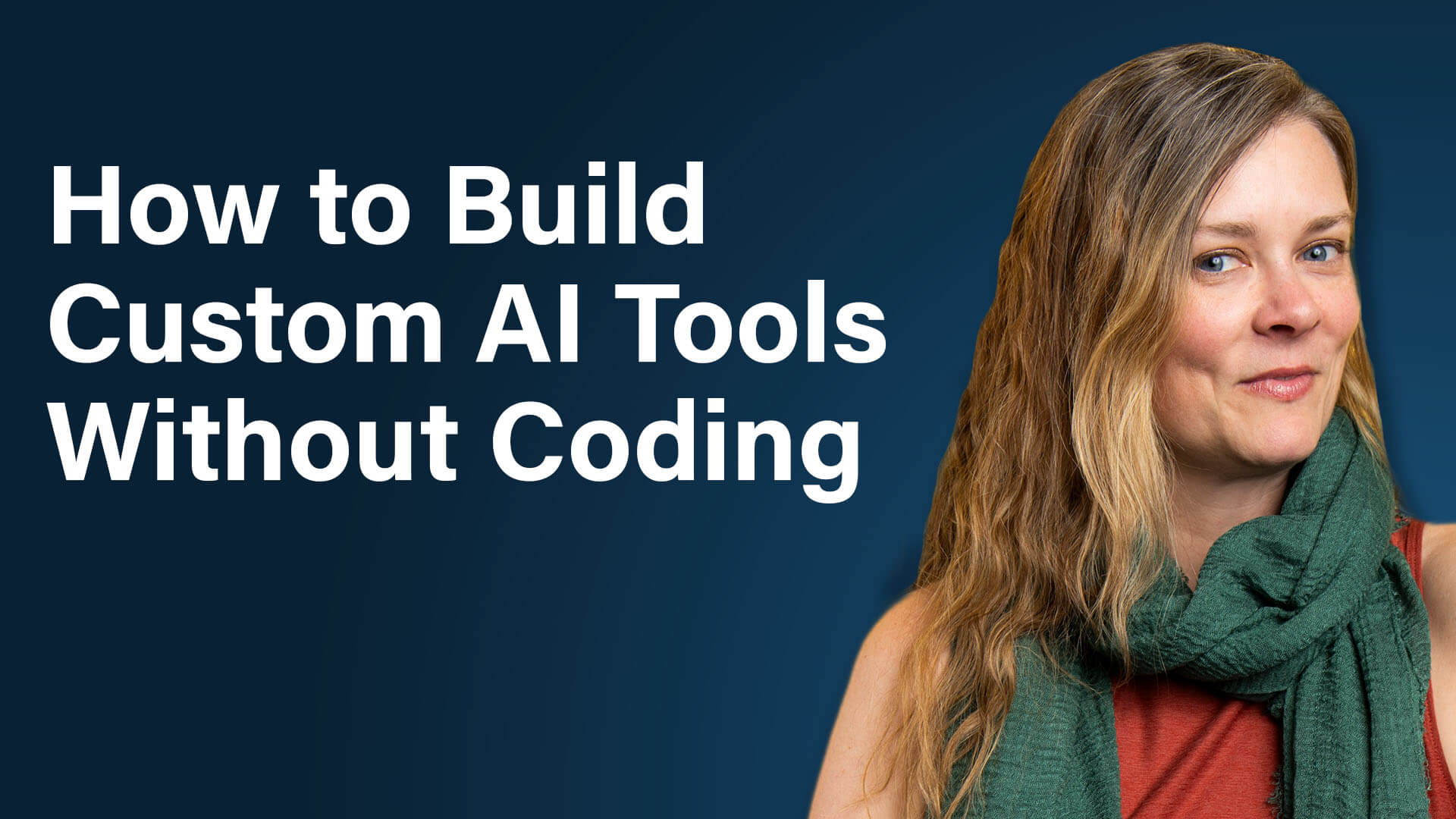
How to Build Custom AI Apps Without Being Technical
Tired of paying for software that only does half of what you need? AI now makes it possible to build your own tools around your exact problems, even if you've never written a line of code. Erika Stanley, AI strategist and host of the AI Queens podcast, shares how she's replacing paid subscriptions with apps she built herself.
Why You Don't Have to Settle for Off-the-Shelf Software
Discover the mindset shift that turns you from a software buyer into a builder and why creating something for a market of one can save you money while solving problems no existing tool was designed for.
Start With a Skateboard, Not a Ferrari
Learn the simple framework that keeps your first build from stalling in the garage, plus the surprisingly simple way Erika replaced a paid tool she'd used for years.
The Document to Create Before You Build Anything
Find out how AI can interview you to create the one document developers always ask for first, and why finishing it before you open a build platform can save you money.
Vibe Coding Platforms vs. Claude Code: Which Path Fits You
Discover the key differences between all-in-one platforms like Lovable and building with Claude Code, including the two elements every app needs before other people can use it.
Protecting Your App Once It's Live
Learn the security checks and backup habits to put in place from day one so one bad change doesn't wipe out everything you've built.
Want to Learn More?
-
Watch on YouTube
-
Listen on Apple Podcasts | Spotify | Amazon Music
-
Read the show notes on Social Media Examiner

Marketing and AI Under One Roof
Your marketing strategy and your AI skills have probably been growing on separate tracks. A platform update here, a tutorial there, and never quite in the same room.
The All-Access ticket to Social Media Marketing World puts both under one roof in Anaheim: the marketing sessions and workshop day, plus AI Business World with 20 hands-on sessions over two days. Speakers are practitioners, and sessions are 100% pitch-free.

Google Brings Reusable Skills to Gemini and Plans to Replace Gems: Google is introducing skills globally in Gemini chat, giving users a way to save frequently used instructions and quickly reuse them for recurring workflows. Skills can incorporate reference files, run automatically for relevant prompts, and be combined to handle more complex tasks such as producing content that follows both personal writing preferences and brand guidelines. Google plans to expand skills with sharing and Workspace integrations while automatically migrating existing Gems as the older feature is phased out. Google
Google Launches Gemini 4 Argon With a Focus on Cybersecurity and Complex Workflows: Google has introduced Gemini 4 Argon, a new AI model built for long-horizon reasoning across cybersecurity, software engineering, research, writing, and visual analysis. The model has been specifically trained for defensive cyber work and is initially being made available to select security partners through Google’s Fairwind Program. Google says Argon can autonomously find, validate, and patch critical vulnerabilities, while its own teams are already applying the model to tasks such as debugging and codebase migrations. TechCrunch
Meta Previews an Open Standard for Personal and Business AI Agents: Meta is developing Personal Agent Protocol with Sierra and a group of commerce, payments, and customer experience partners to establish common standards for how personal AI agents interact with businesses. The initiative aims to give companies clearer control over authentication, identity, website interactions, APIs, and agent behavior while enabling personal agents such as Muse to move beyond browser automation toward direct communication with business agents. Meta says the protocol will be open for anyone to implement, with the broader goal of creating shared infrastructure for agent-driven commerce and customer experiences. Meta
OpenAI Expands ChatGPT Ads With Visual Formats, Measurement and Brand Suitability Tools: OpenAI is broadening its advertising platform with a visual format that will initially appear during image generation, giving brands a new way to showcase products and services as users explore ideas and purchasing decisions. The company is also expanding conversion, attribution, incrementality, and full-funnel measurement through a growing partner ecosystem, while introducing additional brand suitability controls and independent evaluation pilots. The updates are designed to make ChatGPT Ads more measurable and visually expressive while keeping advertising separate from responses and protecting the privacy of user conversations. OpenAI